Whitewashing a barn is not only a matter of aesthetics, but above all an important element of caring for the health and hygiene of farm animals. Regularly painting the barn with lime helps keep the facility in good condition and ensures better air quality, which is crucial for the health of the cattle. In this article, we will guide you through the entire process of whitewashing a barn, from choosing the right type of lime, through preparing the mixture, to proper application techniques.

Whitewashing a barn is not only a matter of aesthetics, but above all an important element of caring for the health and hygiene of farm animals. Regularly painting the barn with lime helps keep the facility in good condition and ensures better air quality, which is crucial for the health of the cattle. In this article, we will guide you through the entire process of whitewashing a barn, from choosing the right type of lime, through preparing the mixture, to proper application techniques.
Why is it worth whitewashing the barn?
Whitewashing a barn is a key procedure that brings many benefits both for the animals and the farm facilities themselves:
Improving the environmental conditions of animals : Regularly whitewashing the barn helps keep the space free from bacteria, fungi and other pathogens that can threaten animal health. Lime, used for bleaching, has disinfecting properties that reduce the possibility of infectious diseases in the herd.
Improved air quality : Lime neutralizes acids, including ammonia, which are commonly released by animal waste. Reducing the level of ammonia in the air significantly improves the air quality inside the barn, which is beneficial not only for the animals, but also for the people working there.
Facility protection : Whitewashing barns with lime helps protect buildings against moisture and mold growth. Lime creates a protective layer on walls that prevents moisture and structural damage, extending the life of objects.
Aesthetics and image of the farm : A clean and well-maintained barn proves the breeder’s professionalism and care for his farm. An aesthetically maintained barn can also have a positive impact on the impression of visitors, which is especially important in the case of agritourism or educational farms.
Types of lime for whitewashing barns and their uses
Lime is one of the most popular and effective materials used for whitewashing barns. There are different types of lime, each with its own specific uses and properties that make it suitable for specific tasks. Below I present the most commonly used types of lime for whitening.
Slaked lime (hydrated)
- Slaked lime is a form of lime made by adding water to calcium oxide. This process, known as lime slaking, creates calcium hydroxide, which is sold as a dry powder.
- Uses : This is the most commonly used lime for whitewashing barns due to its ability to dry and disinfect quickly. It easily forms a suspension in water, which can be applied to walls by brush or spray. Slaked lime is effective in neutralizing acids and has antibacterial properties.
Quicklime (burnt)
- Quicklime is made by burning natural limestone rocks in kilns, which removes carbon dioxide from them and leaves behind calcium oxide.
- Uses : Although quicklime itself is not directly used for whitewashing, it can be used on farms that prepare their mixtures. Quicklime must first be slaked before use, which can be done on site but requires caution due to strong exothermic reactions and the risk of burns.
Hydraulic lime
- Hydraulic lime contains additions of aluminosilicates and aluminates, which allow it to harden even in humid conditions.
- Application : Hydraulic lime is used in places where the environment is more humid and ordinary slaked lime would have difficulty hardening. This type of lime is more resistant to weather conditions, making it an ideal choice for whitewashing barn exteriors.
Oxide lime
- Similar to quicklime, but processed in a way that increases its porosity and ability to absorb water.
- Uses : Oxide lime is less commonly used for whitewashing, but can be used to improve the properties of other types of lime, especially in mixtures used for major renovations.
When choosing the right type of lime for painting a barn, it is worth paying attention to specific conditions and needs. Slaked lime is usually the best choice for most interior applications, while hydraulic lime may perform better outdoors or in wetter environments. All types of lime should be used in accordance with the manufacturer’s recommendations and with appropriate safety measures.
Tools needed for whitewashing a barn
Here is a list of tools and equipment you will need to properly whiten your barn:
Lime bleaching machine
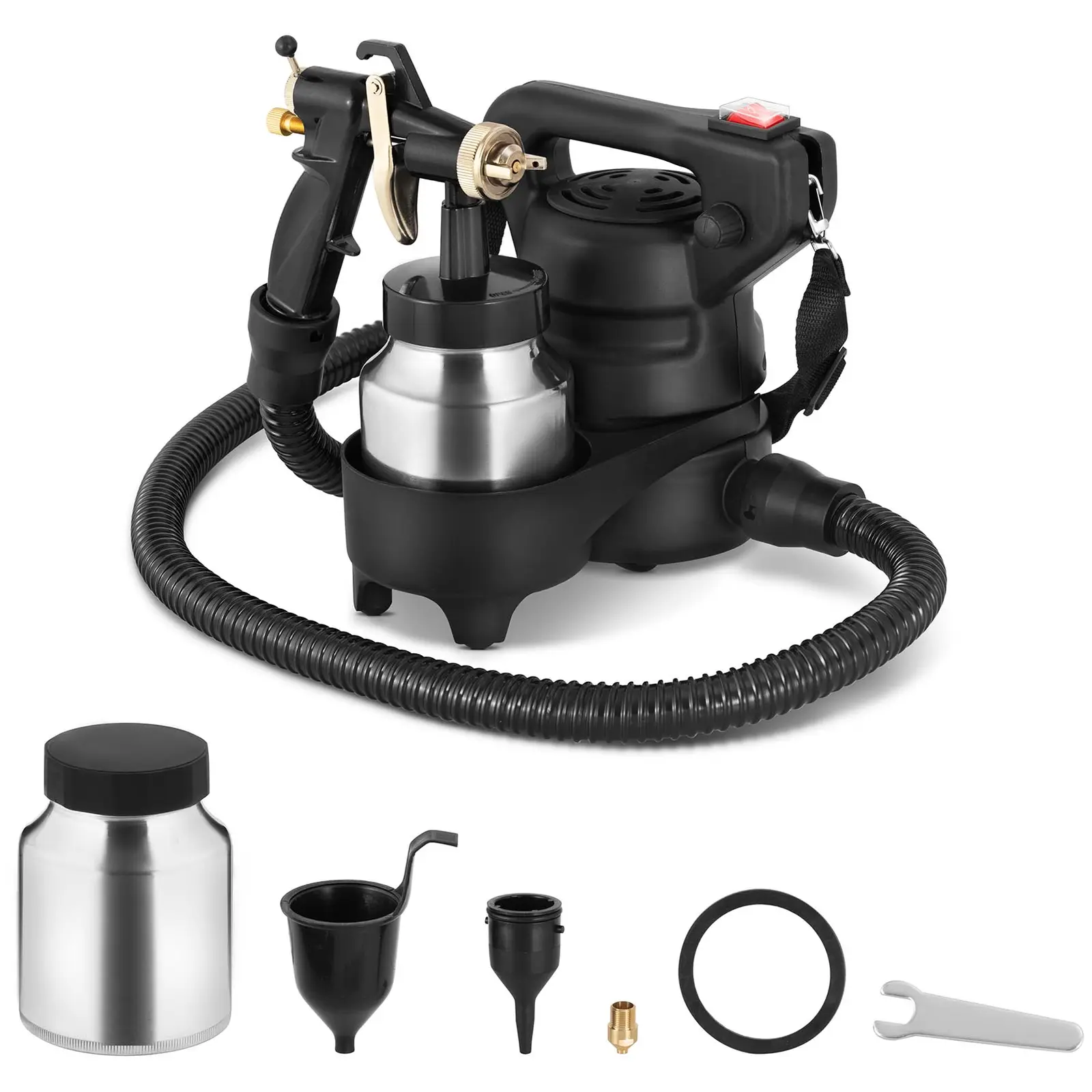
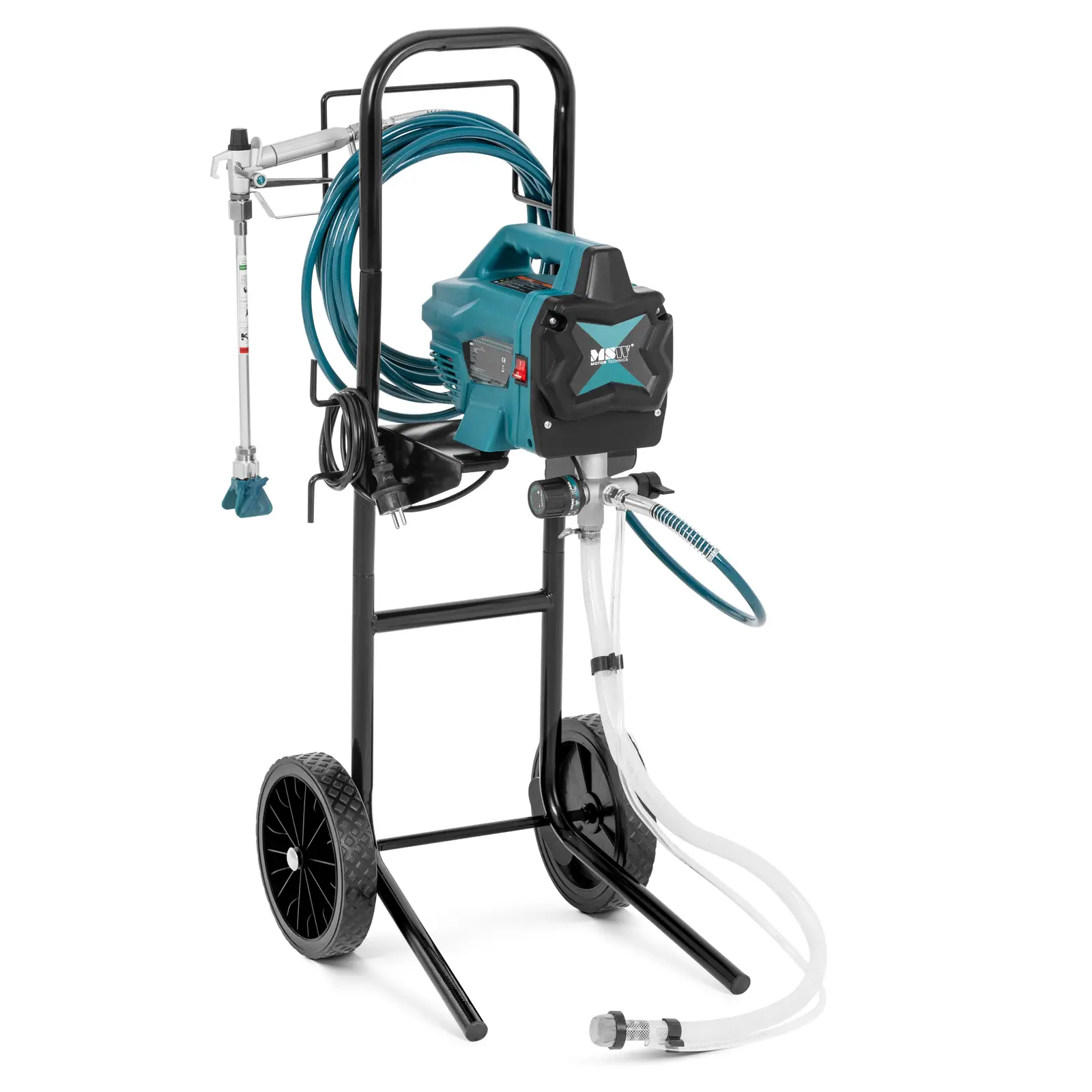
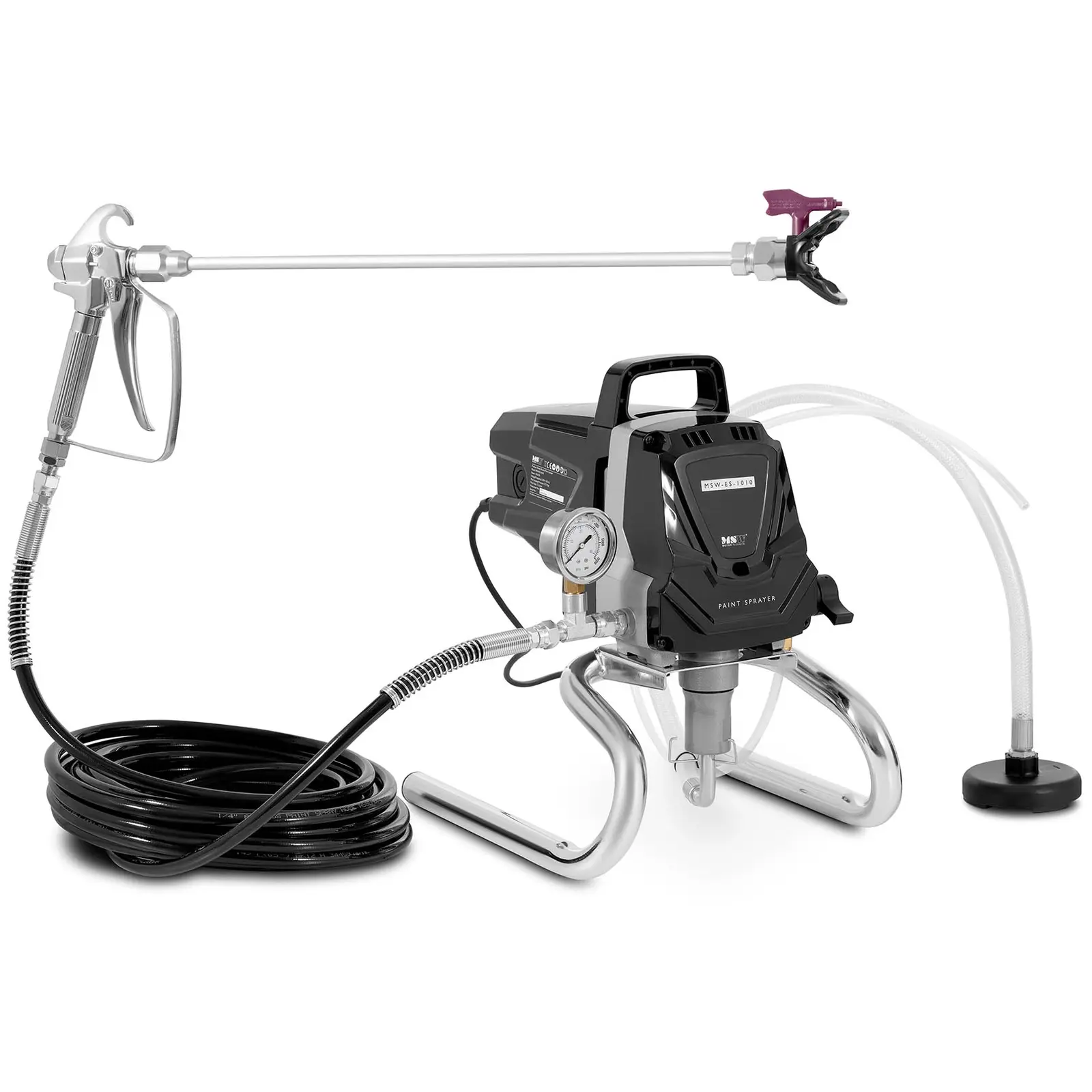
- This device is used to evenly distribute lime over large surfaces. Bleachers can be manual or mechanical, and their use significantly speeds up the bleaching process and provides better coverage.
- Application : Perfect for large barns where manual painting would be time-consuming and less effective.
Wall painting gun
- A paint gun is useful for quickly and evenly applying lime, especially on large, smooth surfaces.
- Application : The painting gun enables efficient and accurate application of lime, which is crucial for obtaining uniform coverage without streaks and stains.
Brushes and rollers
- Thick brushes and rollers are used to apply lime, especially in hard-to-reach places.
- Application : Brushes are useful for thoroughly covering corners and edges, while rollers are great for larger flat surfaces.
Personal security
- When working with lime, it is necessary to use personal protective equipment, including gloves, safety glasses , a dust mask and protective clothing.
- Application : Provide protection against irritating and harmful to the skin and eyes components of lime.
Spatulas and scrapers
- These tools are used to remove old layers of lime and to prepare the surface before applying a new layer.
- Application : Putties help in smoothing the surface, while scrapers are used to remove loose or falling fragments.
Bucket and strainer
- You need a bucket to mix and transfer the lime, and a strainer to sift the dry lime to remove lumps.
- Application : Sifting the lime before mixing it with water prevents lumps from forming in the mixture, which is important to obtain a smooth texture.
Water container
- Description : You will need a large container with water to mix the lime and to wash your tools after use.
Preparing the barn for painting with lime
Preparing the barn for whitewashing is a key stage that will ensure the effectiveness of the entire process and the long-lasting effects. For optimal results, thoroughly clean and prepare the surface before applying lime:
Surface cleaning
- Thorough cleaning is essential. Remove any dirt, dust, cobwebs or other debris that may have accumulated. You can use strong detergents or soap-and-water-based solutions to effectively clean walls and ceilings.
- After washing, all surfaces should be thoroughly rinsed with clean water and allowed to dry.
Damage repair
- Before whitewashing, it is recommended to repair any structural damage, such as cracks or holes in the walls . This will not only improve the appearance of the barn, but also ensure better adhesion of the lime.
Surface roughening
- If the walls are too smooth, they may need to be roughened to improve the adhesion of the lime. This can be done using putty or sandpaper.
Priming
- In some cases, it may be necessary to use a primer, especially if the surfaces are uneven or have different absorbencies. Priming ensures even absorption and better adhesion of the lime.
Protection of elements that will not be whitewashed
- All elements that are not to be covered with lime, such as windows, doors, lighting fixtures, should be properly protected. You can use protective film, painter’s tape or other forms of protection to avoid accidental contamination.
Lime preparation
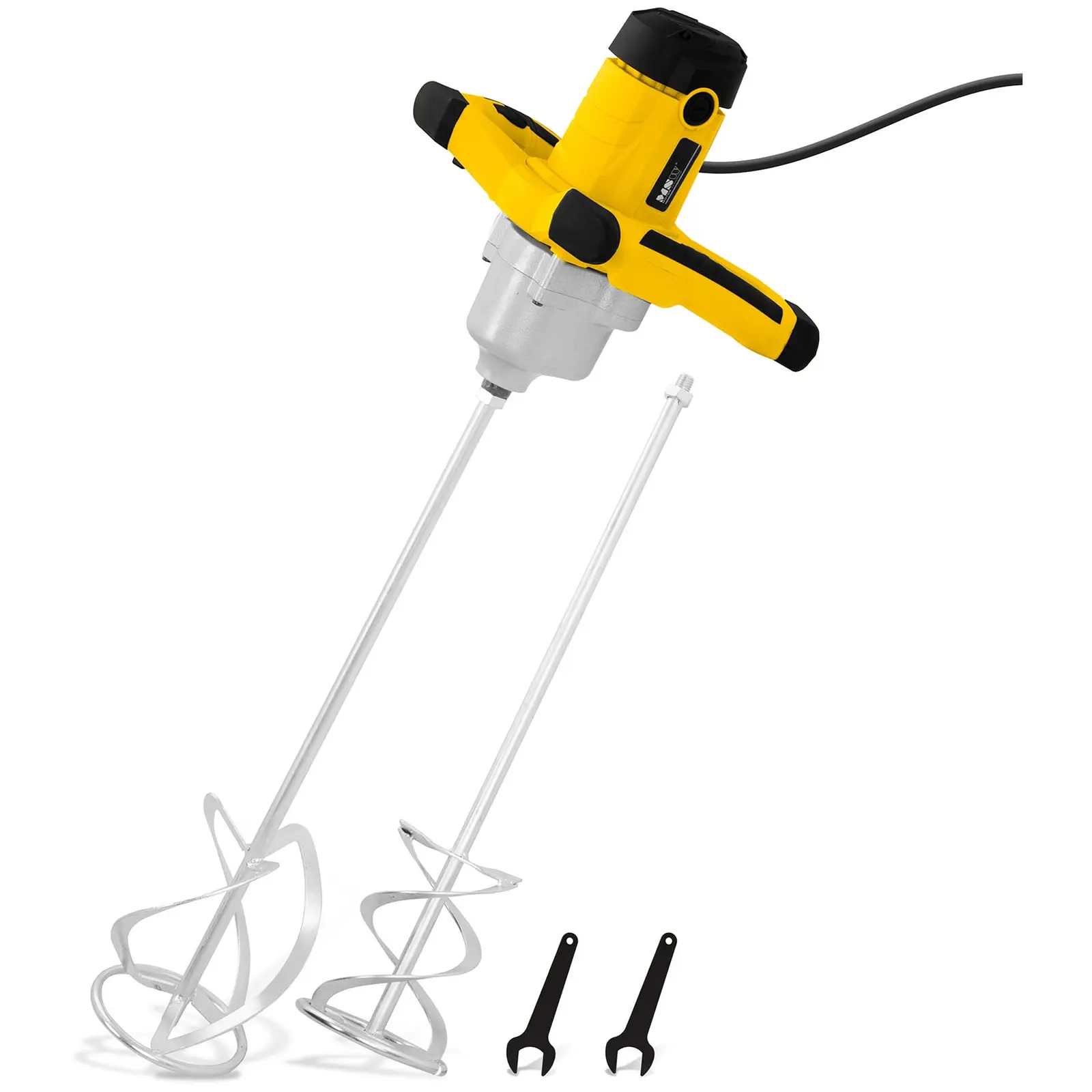
- Prepare the lime according to the manufacturer’s instructions. It is important that the mixture is uniform and free from lumps. For this purpose, it is worth using a paint mixer or a suitably large bucket and a hand mixer.
How to whiten a barn?
The process of proteining a barn, once the surfaces have been properly prepared, requires care and a methodical approach. Here are the steps you should take to apply lime effectively and evenly to your barn walls and ceilings:
Mixing lime
- Start by carefully preparing the lime mixture according to the manufacturer’s recommendations. Make sure the mixture is uniform and without lumps. To do this, use an electric or hand mixer to obtain a smooth consistency.
Testing a lime mixture
- Before you start whitewashing on a large scale, apply some of the mixture to a small, less visible part of the wall. This will allow you to check whether the consistency is appropriate and whether the mixture adheres well to the wall.
Lime application
- Using a lime whitener, brushes, rollers or a paint gun, apply the lime evenly to the walls and ceilings. Start with the upper sections and gradually move to the lower sections.
- In hard-to-reach areas, such as corners or around architectural features, use a brush to ensure thorough coverage.
Second layer
- After applying the first coat and drying, assess whether a second coat is needed. A second coat may be needed to provide better coverage, especially if the first coat did not fully cover any spots or bumps.
Control
- After the lime has dried, carefully check all surfaces for even coverage. Look for places that may have been missed or require corrections. Make sure all sections are well covered and there are no stains.
Barn ventilation
- Ensure proper ventilation in the barn after bleaching to speed up the drying process and get rid of any chemical fumes.

Proper maintenance of the barn after whitewashing
After the bleaching process is completed, it is equally important to maintain it properly and check it regularly to maximize the effects and ensure the durability of the work performed:
Regular inspections
- Inspect your walls and ceilings regularly, at least once a year, to check for new stains, cracks or areas where lime has begun to flake off. Detecting problems early will allow you to respond quickly and prevent more damage.
Cleaning the barn
- Regular cleaning of the barn is crucial to maintaining cleanliness and hygiene. This prevents the accumulation of dirt and dust, which can affect the adhesion and durability of the lime. Use mild cleaning products and avoid harsh chemicals that could damage the lime layer.
Protection against moisture
- Moisture is one of the main enemies of lime durability. Make sure the barn is well ventilated and any sources of excessive moisture (e.g. leaks in the roof, damaged gutters) are quickly repaired. Good air circulation will help maintain a dry environment, which is beneficial for animal health and the durability of the lime.
Proteining of barns – questions and answers
How often should the barn be whitewashed?
Whitewashing of the barn should be carried out regularly, usually once a year or every two years, depending on the conditions in the barn and the speed with which the surfaces become dirty or damaged.
When is the best time to whiten a barn?
The ideal time for whitewashing a barn is early spring or late autumn. During these periods, the temperature is moderate, which favors the drying of lime, and the barn is usually less occupied by animals. Moreover, low humidity and lack of extreme temperatures provide better conditions for working and drying of lime.
Can animals stay in the barn during whitening?
Animals should not be in the barn during bleaching. Lime can be harmful to the health of animals, especially their respiratory tract. In addition, bleaching work can cause stress in animals. It is recommended to carry out bleaching during the period when animals can be temporarily moved to another place or stay outdoors.







Share