Safety in the workplace is a basic responsibility of every employer. This applies to both providing safe working conditions and requiring that employees comply with certain rules. The basic principles of operating cable winches also come under this topic. Find out what makes using such devices safe.

Safety in the workplace is a basic responsibility of every employer. This applies to both providing safe working conditions and requiring that employees comply with certain rules. The basic principles of operating cable winches also come under this topic. Find out what makes using such devices safe.
Key cable winch parameters regarding user safety.
Like any mechanical device, cable winches are safe when used as intended, according to the recommended method of use and when observing standard precautions. One of the most important aspects is choosing the right parameters for the type of job.
Cable winch capacity
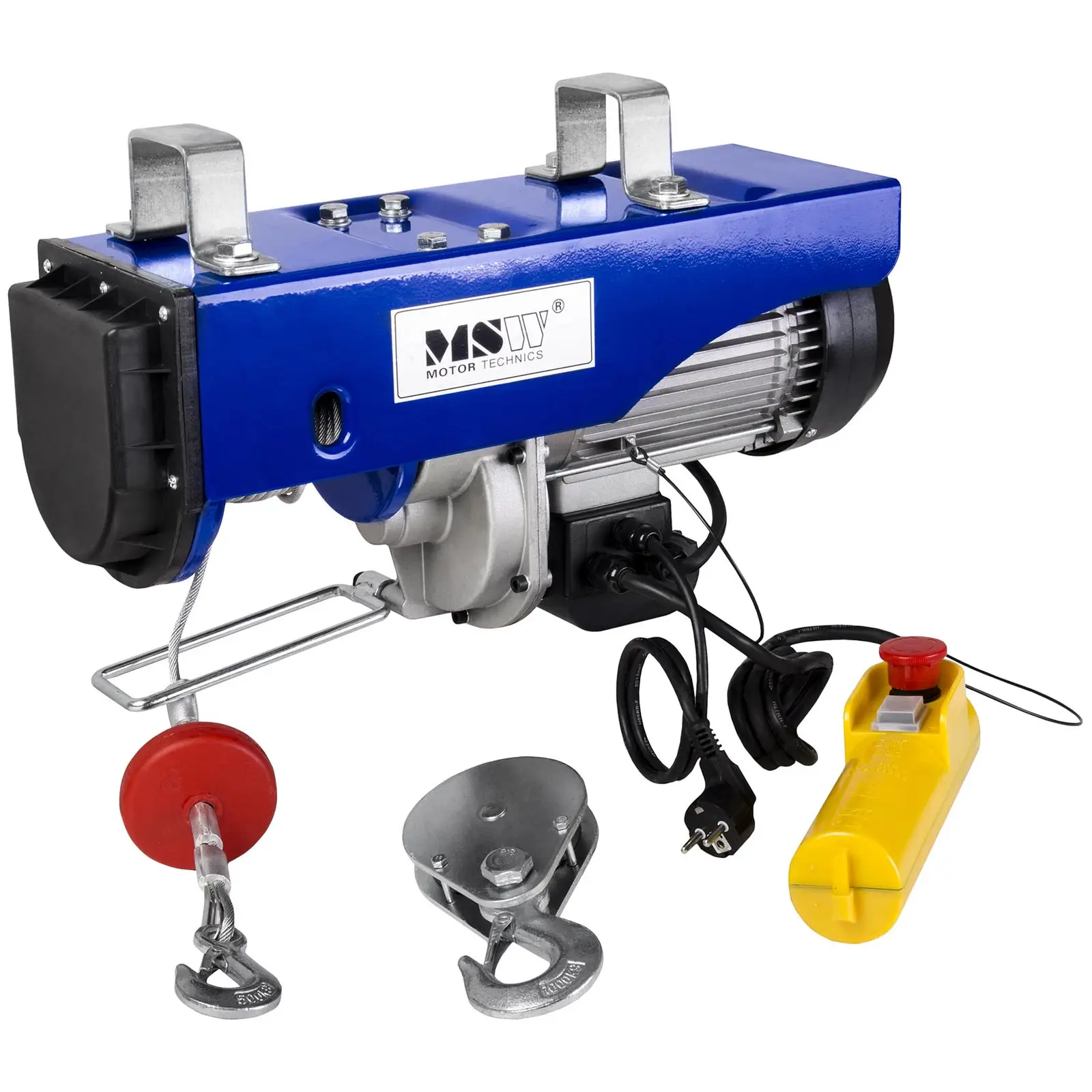
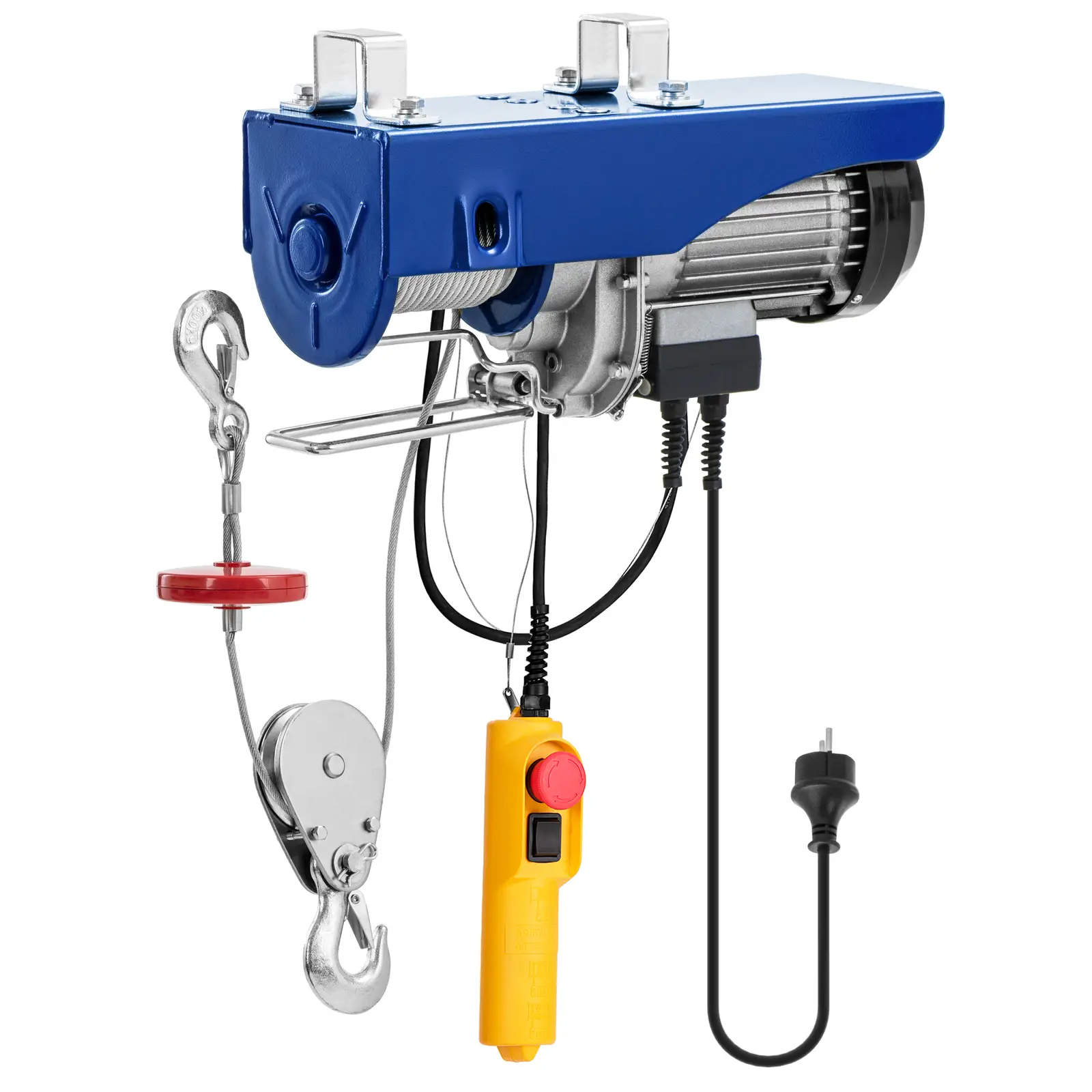
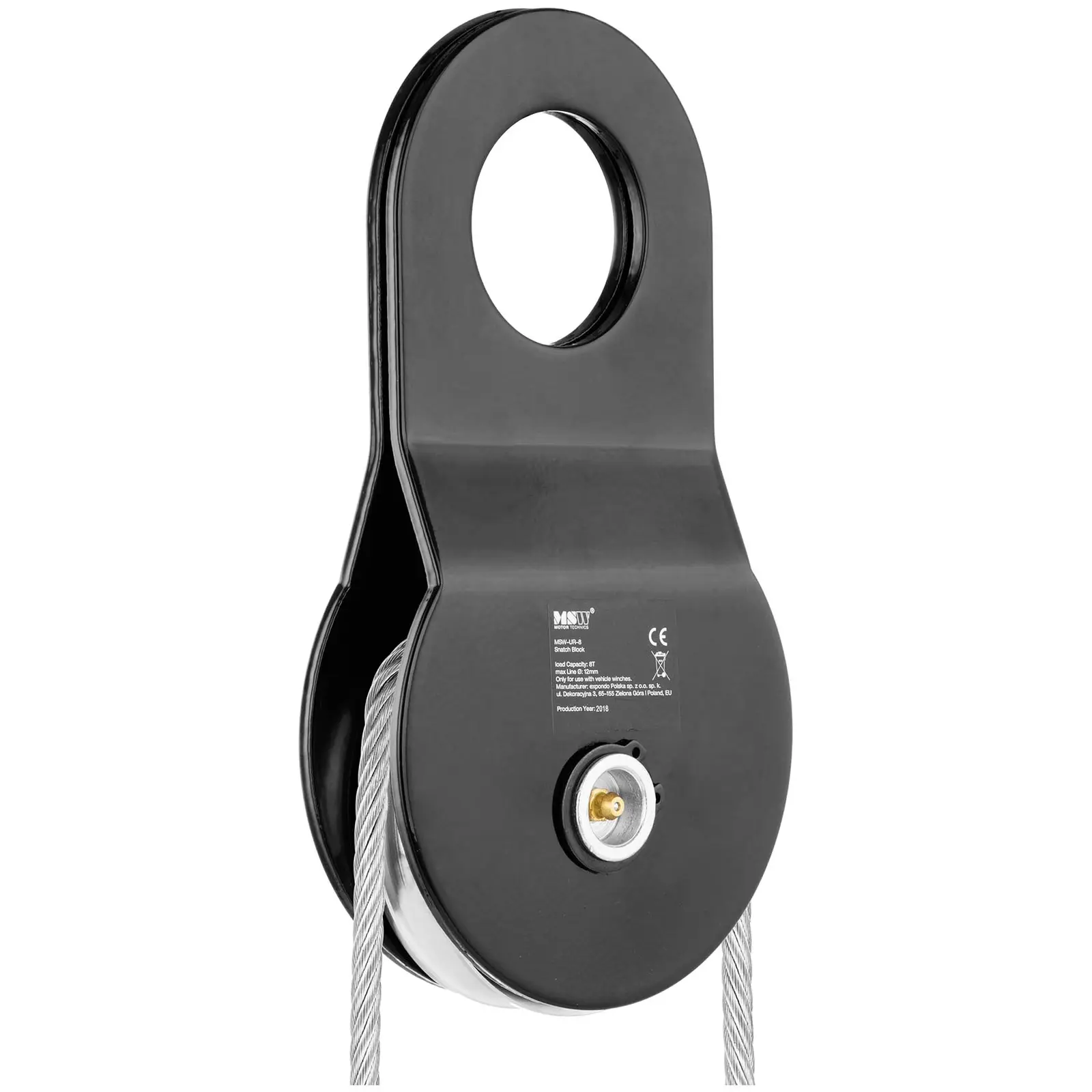
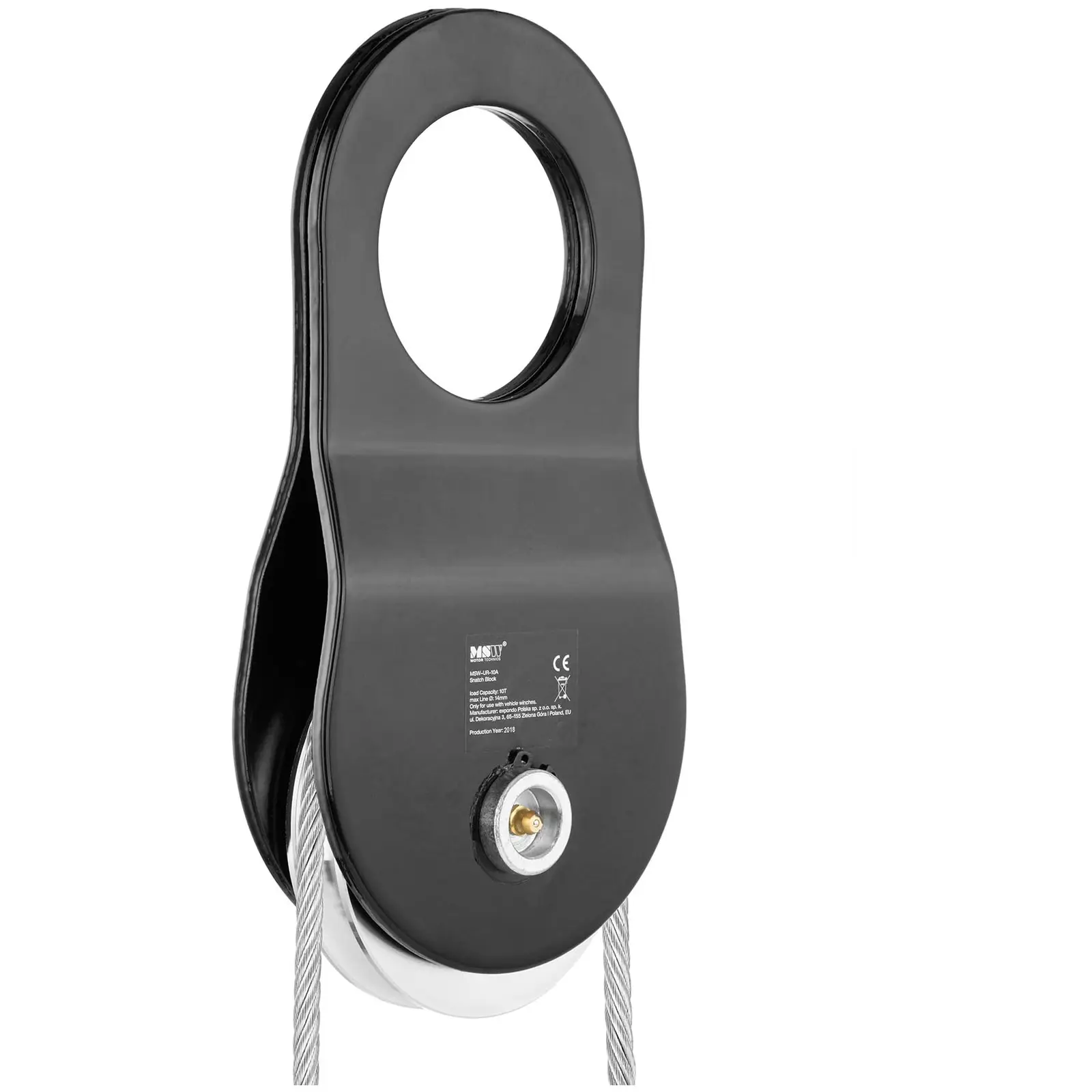
First of all, check the capacity of the winch. Cable winches can lift loads weighing from hundreds of kilogrammes to even a few tonnes. Exceeding these values could not only damage the device, but also cause serious accidents, so it is vital that you choose the right model. However, there is a way to increase the lifting capacity by up to 100%. All you need to do is mount additional pulley blocks.
Cable winch motor
The next parameter is the type of motor. Manufacturers offer electric winches with various sized motors. As with the lifting capacity, when choosing the motor also pay attention to the type of jobs you intend to use the cable winch for. Too little power will cause the motor to burn out, while too high power can be harmful to the environment. An engine significantly exceeding your needs will use far more energy than necessary, so try to choose the motor size optimally with regards to economical use. The most ecological solution are manual winches with a special lever or crank, although their efficiency is much lower than in the case ones with electric or combustion engines.
The cable
In this case, pay attention to several aspects. First of all check the traction strength. Unlike capacity, which is the maximum weight the winch can handle, the pull is simply the strength of the cable. Another aspect is the cable structure. It should be designed not to twist when lifting/lowering. This reduces the risk of the cable snapping and unhooking the lifted item. From a practical point of view you should also check the length of the cable. This will indicate the maximum distance that the load can be transported. Also check the type of coupling, which could be a container (bucket or basket), a clamp or even a simple hook.
Emergency shut-off switch
The emergency stop function is very important, if not most important, when it comes to user safety. It ensures that the device will stop working in the event of damage to the machine or a drop in voltage. The machine should also have an automatic brake that will stop the cable when the engine is turned off. This will reduce the risk of the lowered item from suddenly falling.
Cable winches and technical supervision
All types of mechanical devices intended for material handling, including cable winches, should be registered with the technical authorities, which role is to ensure safety during the production and use of technical devices. In addition, they also deals with research, testing, expert opinions and training.
However, it is worth remembering that under the Lifting Operations and Lifting Equipment Regulations 1998 (LOLER):
- ‘Lifting equipment’ means work equipment for lifting and lowering loads. This includes lifting accessories and attachments used for anchoring, fixing or supporting the equipment.
- Lifting equipment should be positioned or installed in such a way as to reduce the risk, as far as reasonably practicable, of the equipment or load striking a person, or of the load drifting, falling freely or being unintentionally released.
- All lifting equipment, including accessories, must be clearly marked to indicate their ‘safe working loads’ (SWL) – the maximum load the equipment can safely lift.
Where the SWL of any equipment or accessory depends on its configuration, the information provided on the SWL must reflect all potential configurations (for example, where the hook of an engine hoist can be moved to different positions, the SWL should be shown for each position). All lifting operations involving lifting equipment must be:
– properly planned by a competent person
– appropriately supervised
– carried out in a safe manner
Lifting equipment must be thoroughly examined in a number of situations, including:
– before first use (unless there is a valid Declaration of Conformity made less than 12 months earlier)
– where it depends on installation, or re-installation / assembly at another site
– where it is exposed to conditions causing deterioration, liable to result in danger








Share