


Flour mills

- First
- 1
- Last
Flour mills for fresher, flavourful flour at any scale
Flour mills bring you closer to the ingredients you use every day, turning whole grains into fragrant, freshly milled flour whenever you need it. Whether you are refining recipes at home, preparing batches for a small bakery, or streamlining prep in a busy kitchen, milling on demand helps you control texture, aroma, and the character of your baking. With the right mill, you can move beyond one-size-fits-all flour and tailor each grind to suit crusty loaves, tender cakes, rustic pancakes, or hearty pasta dough.
The products in this category are designed around practical, reliable grain milling: electric grain mills for quick, repeatable results and classic grain mill options for those who prefer a more hands-on approach. The focus is simple—efficient milling, consistent output, and user-friendly handling—so you can spend less time adjusting and more time mixing, proofing, and baking.
Fresh milling also supports a more flexible pantry. Stock whole grains and mill only what you need, reducing waste and helping ingredients stay at their best. You can experiment with different grains and blends, adjust fineness to your method, and create flour that matches your exact preferences—without compromising on convenience or performance.
Choose an electric grain mill for speed, consistency and convenience
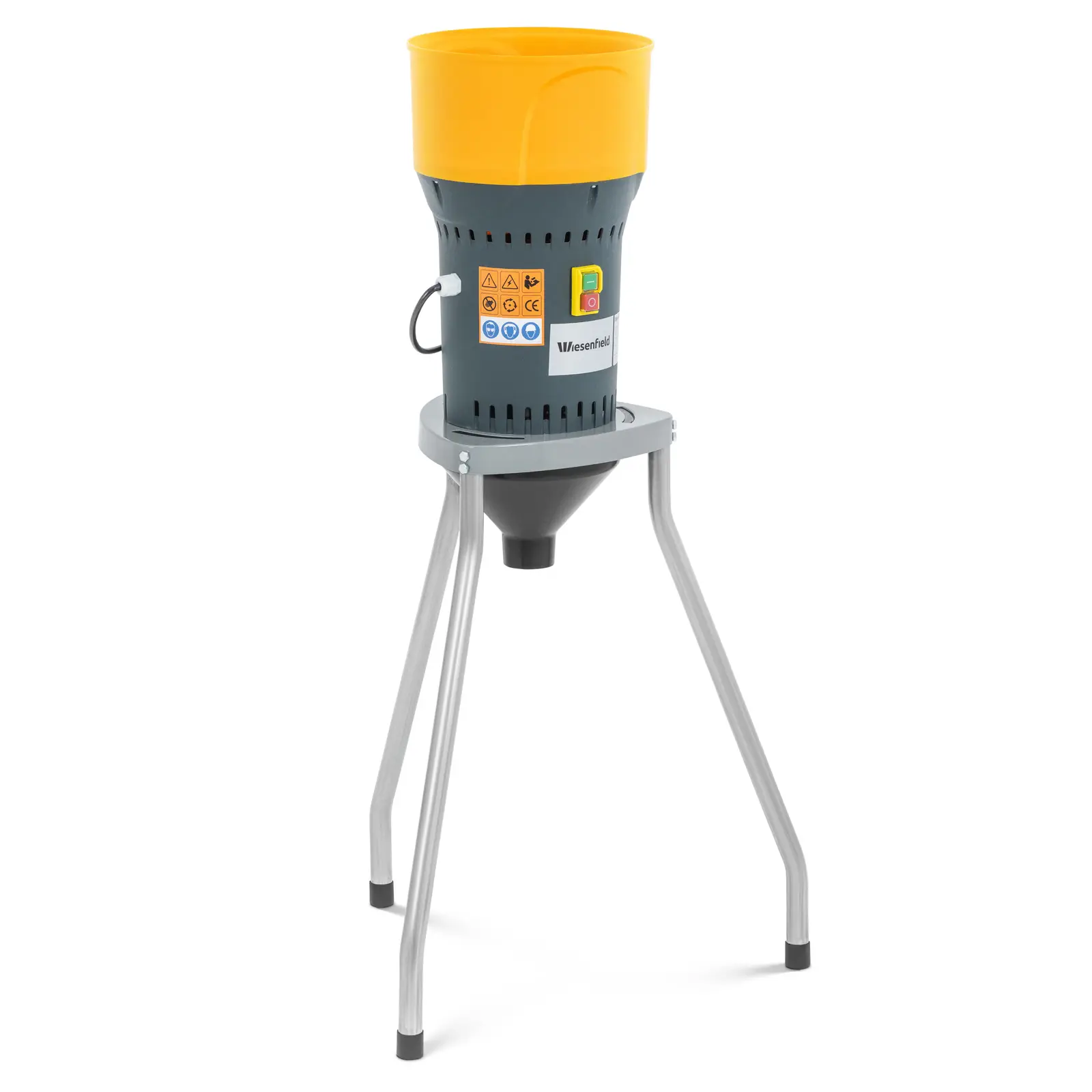
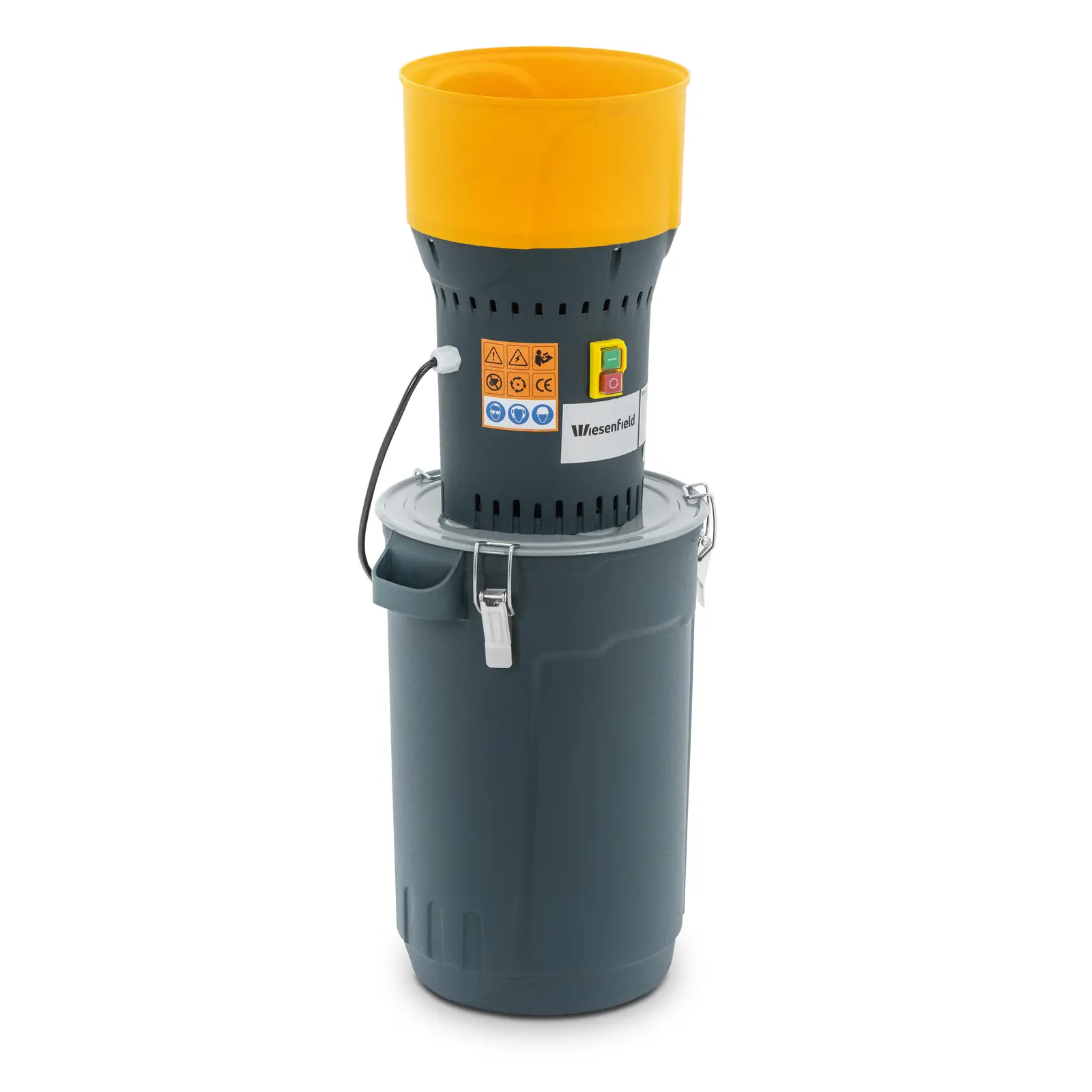
An electric grain mill is the go-to choice when you want fast throughput and dependable consistency. These mills are built to handle regular use with steady performance, making them ideal for households that bake often as well as professional kitchens that need flour on demand. With powerful motors and durable milling mechanisms, you can process grains efficiently and maintain a predictable grind from batch to batch—essential for repeatable dough hydration and reliable baking results.
Many users appreciate how electric milling simplifies workflow: measure your grain, select the desired grind, and let the mill do the work. This is particularly helpful when your recipe schedule is tight or when you are preparing multiple doughs in one session. Electric mills can also support a broader routine of ingredient preparation, working neatly alongside other kitchen staples such as food processors for mixing, chopping, and prepping fillings, spreads, or pastry bases.
When choosing an electric mill, think about capacity and frequency of use. For occasional baking, a compact countertop solution keeps things tidy and easy to store. For higher-volume needs, look for a model designed for longer runs and bigger batches, helping you keep up with demand without constant refilling. Across the range, the emphasis is on stable operation, straightforward controls, and practical cleaning—key features that make milling a pleasure rather than a chore.
Consistency is more than convenience; it is quality control. The right mill supports a grind that matches your technique, whether you are aiming for a fine flour for delicate crumb or a slightly coarser texture for rustic breads. By pairing predictable milling with good fermentation and baking practice, you can achieve results that look and taste exactly as intended, day after day.
Grain mill performance: from cracked cereals to fine baking flour
A well-chosen grain mill expands what you can do with whole grains. Beyond producing standard flour, milling can support a range of textures—useful for different baking styles and culinary applications. Fine milling suits cakes, pastries, and smooth batters, while slightly coarser flour can add structure and a satisfying bite to farmhouse loaves. Cracked grains can also contribute texture to multigrain breads, toppings, and porridge-style recipes, giving you extra creative freedom from a single piece of equipment.
Texture control matters because it affects absorption, gluten development, and mouthfeel. Freshly milled flour can behave differently to pre-packaged flour, so having the ability to adjust your grind helps you dial in recipes more quickly. If you are developing your own blends, you can experiment with proportions, create signature flours, and fine-tune baking performance—useful for both home bakers chasing the perfect loaf and professionals looking to offer something distinctive.
Flour mills also fit naturally into a wider baking set-up. Once your flour is ready, pairing it with the right tools makes the next steps smoother—mixing, shaping, and finishing become more efficient and consistent. If you are building or upgrading your baking station, explore our bread making equipment to support dough handling, proofing, and production flow with the same practical mindset as our mills.
Many bakers also enjoy expanding flavours by preparing small additions alongside their flour: freshly ground spices, seeds, or aromatic mixes can elevate breads and pastries with minimal effort. For that finishing touch, our spice grinders complement grain milling beautifully, helping you keep ingredients vivid and fragrant from start to finish.
From quick weekday bakes to ambitious weekend projects, flour mills help you take control of the very first step of the recipe. Choose an electric grain mill for speedy, consistent results, or opt for a traditional grain mill approach for a more hands-on rhythm—either way, you gain freshness, flexibility, and the satisfaction of flour made to your own standards.