


Engines

Engines for reliable drive and everyday automation
Whether you are equipping a workshop, upgrading plant equipment, or adding smooth motion to automated systems, the right engines make all the difference to performance, safety, and running costs. This category brings together dependable drive solutions designed for consistent torque, stable speed, and long service life, giving you the confidence to power tools, conveyors, pumps, fans, and many other applications where steady output matters.
If you need compact automation with controlled movement, explore our garage door motors, designed to deliver reliable lifting power and repeatable operation. These motors are ideal where convenience, secure access, and day-to-day dependability are essential, helping you achieve smooth opening and closing cycles with minimal fuss. In practical terms, choosing the correct motor capacity and duty rating helps reduce strain on mechanical parts, keeps operation quiet and efficient, and supports longer intervals between maintenance checks.
Across the category, you will find solutions suited to both fixed installations and equipment builds. From replacing a worn unit to specifying a motor for a new project, you can focus on key decision points such as required power output, supply voltage, mounting arrangement, and the environment the motor will work in. For example, installations in dusty or humid areas benefit from appropriate enclosures and robust construction, while applications with frequent start-stop cycles benefit from well-matched control components that reduce electrical and mechanical stress.
Electric engines and 3 phase induction motor solutions for industry
For industrial drive tasks, three-phase technology remains a trusted choice thanks to its efficiency, durability, and predictable performance under load. A 3 phase induction motor is a strong all-rounder for continuous-duty applications, offering dependable torque delivery with straightforward integration into many electrical systems. Whether you are powering machinery on a factory floor or running equipment in a service environment, this motor type is valued for its low maintenance requirements and stable running characteristics.
If you are specifying motors for equipment builds or replacements, consider the practical details that influence day-to-day performance: rated power (kW), operating speed (RPM), torque requirements, and the expected load profile. Matching the motor to the load helps prevent overheating, reduces energy waste, and supports smoother operation. It is also worth checking installation needs such as shaft diameter, frame size, foot or flange mounting, and cable entry orientation, ensuring the motor fits neatly into your existing layout with minimal rework.
For a broader selection of drive units and application-specific options, browse our electric engines. This range supports a wide variety of use cases, from general-purpose powering to more specialised tasks where precise sizing and robust build quality are essential. Selecting the right unit is not only about peak power; it is also about efficiency and resilience over time. Look for motors designed for consistent operation, with quality bearings, stable windings, and protective features suited to your environment, so you can minimise downtime and keep your workflow moving.
In many workplaces, safety and compliance are just as important as output. Choosing engines with suitable protection ratings and pairing them with correct cabling, fusing, and switching helps keep installations dependable and easier to manage. If your equipment operates in demanding conditions, prioritising durable housings and stable thermal performance can improve longevity and help maintain consistent results across long runs or high utilisation schedules.
Engines with soft starter control and practical workshop support
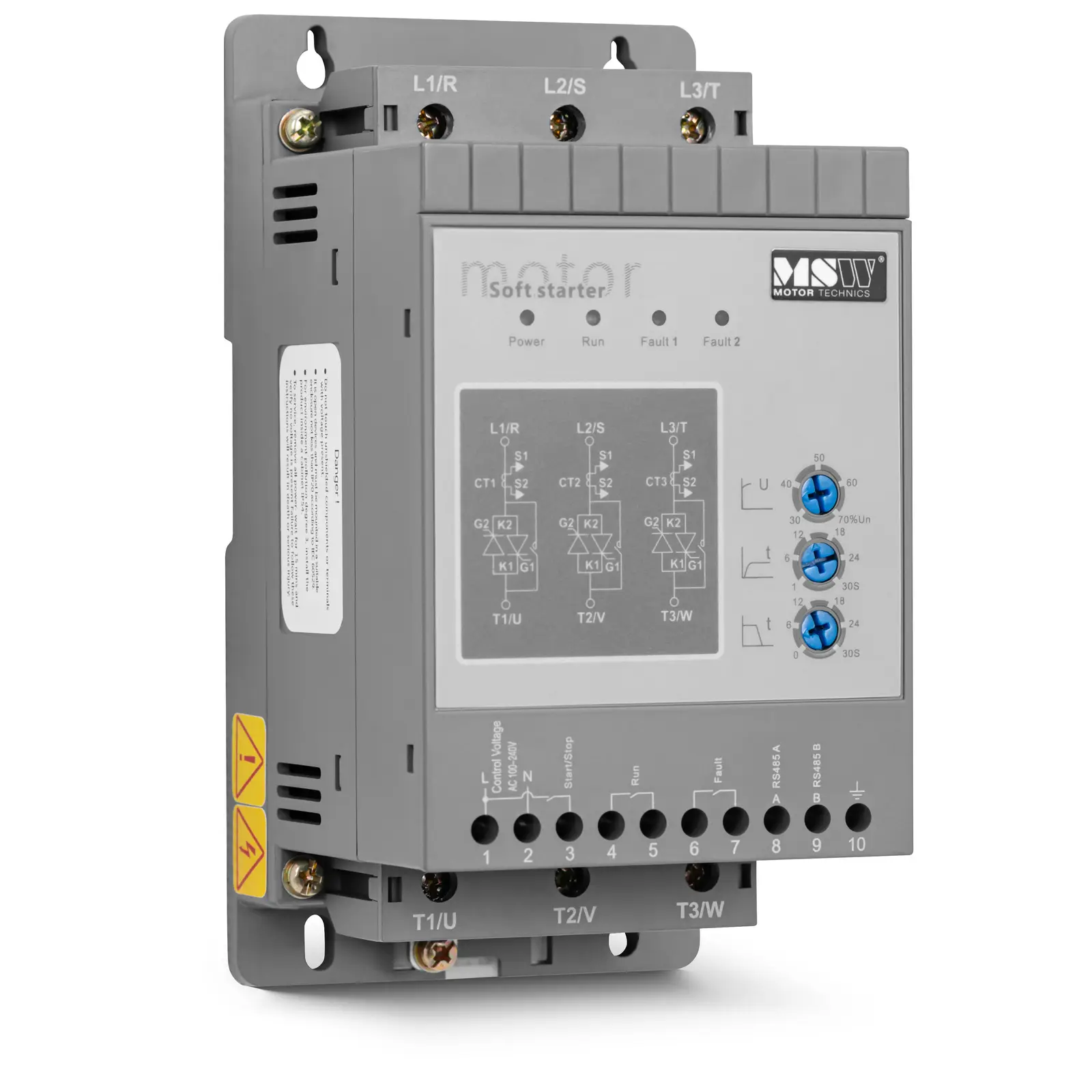
When machines start under load, the initial inrush current and sudden torque can stress both the electrical network and the driven equipment. A soft starter helps manage this by ramping up voltage smoothly, reducing mechanical shock and limiting current peaks during start-up. This is particularly valuable for pumps, compressors, fans, and belt-driven systems, where gentler acceleration can reduce wear on couplings, belts, and gear components while improving overall operating comfort.
Soft starters also support more stable operations in facilities where multiple machines share the same supply, helping to minimise voltage dips and unnecessary nuisance trips. Beyond start-up, many solutions provide controlled stopping functions, which can be beneficial for applications where a gradual stop reduces the risk of pressure surges, load shifts, or product spillage. By combining the right engine with appropriate start and control technology, you create a drive system that feels smoother, lasts longer, and is easier to run day after day.
Maintenance and safe handling are part of getting the best from your engines. When servicing or rebuilding units, proper support equipment improves both efficiency and safety, especially when positioning heavy components or working at comfortable angles. For workshop-friendly handling during inspection, assembly, or repair, an engine stand can be a practical addition, helping you organise your work area and reduce strain during detailed tasks.
To get the most from your purchase, consider the full operating picture: how often the motor will start and stop, whether it will run continuously, the ambient temperature, ventilation around the housing, and how accessible it is for routine checks. A well-chosen combination of engine type, start control, and sensible workshop support can translate into smoother production, fewer interruptions, and a more professional installation that is ready for the demands of everyday use.