


Grass Rollers
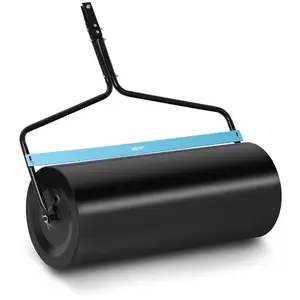

Lawn roller - 97.5 cm - for lawn tractor
- First
- 1
- Last
Get inspired with expondo blog






Grass rollers for a smoother, smarter-looking lawn
Grass rollers are a straightforward way to refine the finish of your lawn and give turf a neat, even appearance. By applying consistent pressure across the surface, a lawn roller helps settle light bumps, press down lifted turf edges, and improve the contact between soil and grass roots. Whether you are tidying an established garden or preparing ground for new turf, the right roller can make your work quicker, cleaner, and more consistent.
In this category you will find practical lawn roller designs that suit both domestic gardens and larger outdoor spaces. Popular choices include hand-push rollers that are easy to manoeuvre around borders and beds, fillable rollers that let you adjust the weight to match conditions, and tow-behind styles designed to cover wide areas efficiently when paired with a ride-on machine. Many rollers feature smooth drums for an even finish, sturdy frames for long-term use, and comfortable handles or towing hitches to make routine lawn maintenance feel less like hard labour.
A well-selected roller is also a useful partner to other essentials. After mowing, light rolling can help maintain a consistent visual level on lawns that are prone to minor undulations. If you are upgrading your setup, it makes sense to consider how a roller fits alongside your other outdoor kit such as lawn mowers for a complete, polished result.
Choosing grass rollers: types, capacities, and practical features
Different lawns benefit from different roller formats. Hand-push rollers are ideal for smaller gardens, narrow passages, and areas where precision matters. Their direct handling gives you excellent control when working near paths, patios, and delicate edges. For those who want flexibility, fillable grass rollers are a particularly versatile option: simply add water (and, in some designs, sand) to increase the drum weight. This means you can go lighter on soft, damp ground, then add mass when you need firmer pressure for levelling or pressing seed into close contact with soil.
If you maintain a larger lawn, tow-behind grass rollers are designed to help you cover ground efficiently and reduce fatigue. A reliable hitch connection, stable tracking, and a drum width suited to open areas can all make a noticeable difference in day-to-day performance. When selecting a tow-behind model, consider manoeuvrability as well as coverage: a roller that turns smoothly and follows consistently helps you avoid missed strips and uneven pressure, particularly on long runs.
Small details can have a big impact on usability. Look for drums made from durable metal for dependable weight and longevity, and frames that feel rigid and well-supported during turns. Helpful additions include scraper bars that reduce mud build-up on the drum, wide fill openings for faster loading, and secure caps to prevent leaks when the roller is in use or stored upright. Comfortable grips and balanced handles can also make repeated passes feel more controlled, especially when you are working on slopes or around obstacles.
For gardeners who value a coordinated approach, grass rollers sit naturally within a broader set of outdoor essentials. If you are refreshing your shed or kitting out for seasonal tasks, it is worth exploring complementary lawn care equipment to support watering, clearing, and finishing work around the lawn.
How to use grass rollers for levelling, seeding, and turf care
Using grass rollers well is about timing and restraint. For most lawns, the best results come from rolling when the soil is lightly moist rather than saturated. A slightly damp surface allows the roller to press and settle without sinking or smearing the ground. If the lawn is very wet, heavy rolling can compact the soil and create ruts; if it is bone dry, rolling is less effective and can stress the turf. With an adjustable, fillable roller, you can fine-tune the weight to match the season and the condition underfoot.
Grass rollers are particularly handy after sowing seed or applying a light topdressing. A gentle pass helps improve seed-to-soil contact, which supports more reliable germination and reduces the chance of seed being disturbed by wind or watering. Similarly, when laying new turf, careful rolling can help press the turf into the soil beneath, encouraging better rooting and reducing small air pockets. The goal is a firm, even surface rather than a compressed one, so multiple light passes are often better than one overly heavy run.
For ongoing lawn care, a roller can help smooth minor heave after colder weather and tidy slight ridges caused by foot traffic or routine garden activity. Work in overlapping lanes and vary the direction between passes to avoid creating repeated pressure lines. Around edges, slow, controlled movements help maintain a crisp outline without disturbing borders. When you have finished, emptying a water-filled drum makes storage easier and reduces strain when moving the roller back to the shed.
To get the most from your roller, combine it with sensible preparation and tidy finishing. Clearing stones and debris before rolling protects the drum surface and helps prevent new dents or bumps being pressed into the ground. For broader garden upkeep, rollers pair well with everyday garden tools for raking, edging, and general clean-up, helping you keep the lawn looking even, healthy, and ready to enjoy.