


Log Splitters

Get inspired with expondo blog







Log splitters for faster, safer firewood preparation
Log splitters are the practical heart of efficient firewood processing, helping you turn rounds into neatly sized logs with less physical strain and more consistent results. Whether you are stocking up for winter, managing a smallholding, or keeping a workshop supplied with kindling and stove-ready pieces, the right splitter keeps the job moving while supporting safer working habits around heavy timber.
Designed to tackle awkward grain and stubborn knots, a dependable log splitter reduces the need for repeated axe swings and minimises fatigue over long sessions. That means you can focus on producing a tidy stack with uniform lengths and thicknesses, which burns more predictably and stores more neatly. If you regularly handle mixed hardwoods and softwoods, a splitter also helps you adapt quickly to different densities and diameters without compromising on pace.
Many users like to create a smooth workflow: cut your timber to length, stage it beside the work area, then split and stack in one steady rhythm. When you are preparing material that has been cut down to manageable rounds with chainsaws, a log splitter becomes the next logical step, delivering clean separations that are easier to carry, season, and burn. The result is less time spent wrestling with oversized pieces and more time enjoying the warmth of well-prepared fuel.
Handling timber is often the hidden challenge, so it pays to plan how you will move rounds and finished logs. Pairing your setup with reliable transport options such as garden trolley carts can help keep the work area organised and reduce repeated lifting, especially when shifting heavier rounds from a woodpile to the splitting position and then on to storage.
Automatic saw splitter solutions: cut and split in one workflow
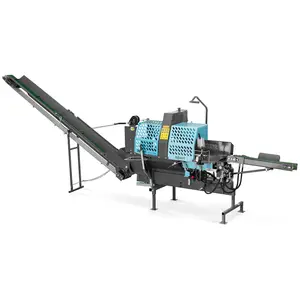
If you want to streamline processing from raw lengths to ready-to-stack firewood, an automatic saw splitter brings cutting and splitting into a single, efficient process. Instead of handling each stage separately, these combined machines support a steady production rhythm: feed the timber, cut it to the required length, and split it into usable pieces with minimal interruption. For anyone dealing with recurring volumes, the time saved across a season can be substantial.
An automatic saw splitter is particularly well suited to consistent output, where repeatable log lengths and uniform split sizes make stacking, drying, and burning more predictable. By reducing manual repositioning between tools, you can keep attention on safe feeding and correct placement, rather than constantly switching tasks. This also helps create a cleaner, more controlled workspace, with fewer steps between raw material and finished firewood.
To get the most from this kind of setup, it helps to think about the full journey of the timber. Start with sensible log selection, keep feed paths clear, and stage lengths so they can be introduced without twisting or awkward reaches. A tidy workflow encourages safer handling and helps you maintain momentum, especially when processing larger piles where small inefficiencies quickly add up.
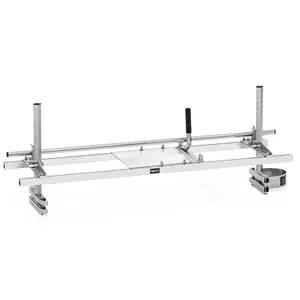
For users who begin with longer stems or rough timber, a mobile saw mill can be an excellent companion to the splitting stage. It allows you to break down larger material into boards, beams, or manageable sections, helping you decide whether timber is best used for construction, workshop projects, or firewood. Once you have sized offcuts and rounds, a log splitter completes the job by turning them into consistent pieces that season evenly and store well.
Log splitter handling tools and woodland essentials for confident results
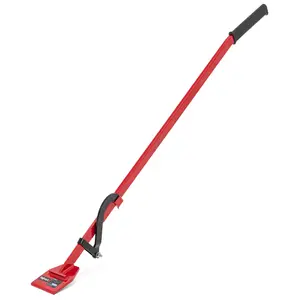
Successful splitting is not only about power; it is also about control. A felling lever with cant hook is a highly practical handling tool for rolling, positioning, and turning heavy rounds. It gives you leverage where your hands and back should not be doing the work, helping you line up timber neatly for splitting and reduce the risk of fingers getting too close to pinch points.
When you are shifting rounds from a pile, aligning awkward pieces, or nudging logs into a safer angle, a felling lever with cant hook can make the entire process more manageable. It supports better posture and steadier movement, which is particularly valuable when dealing with wet wood, uneven ground, or mixed sizes that do not stack uniformly. Used alongside a log splitter, it helps create a calmer workflow where each piece is handled with intention rather than force.
Many customers also build a cohesive setup around their splitter, choosing complementary kit that supports safer timber processing from start to finish. If you are expanding your woodland or yard capability, exploring broader forestry equipment can help you plan each stage, from moving and preparing raw timber to processing and storage, so your log splitting routine stays efficient as your workload grows.
Whatever the scale of your project, the goal is the same: reliable firewood and a working method that feels controlled and repeatable. With log splitters at the centre, supported by practical handling tools like a felling lever with cant hook and productive options such as an automatic saw splitter or a mobile saw mill, you can turn timber into neatly sized fuel with less effort, better consistency, and a setup you will be pleased to use season after season.