


Key Safes
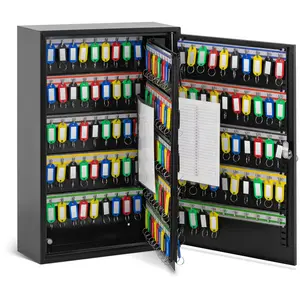

Key Cabinet - for 200 keys - incl. key tags
- First
- 1
- Last
Get inspired with expondo blog





Key safes for organised access and everyday control
Key safes bring calm to any environment where several people need access to rooms, cupboards, vehicles, or equipment. Rather than relying on memory (or a lucky guess about who last had the keys), a secure, centralised solution helps you keep track of every set, every day. From small premises to busy sites, key safes make it easier to maintain order, support accountability, and reduce delays caused by missing keys.
Within this category you will find practical, professional storage options such as lockable key cabinets and compact key boxes. These are designed to hold keys neatly on dedicated hooks or inside a structured interior, so each set can be returned to a known place. That means fewer interruptions for managers, faster handovers between shifts, and a clearer overview when keys are shared across teams.
Key safes are equally at home in reception areas, maintenance rooms, workshops, holiday lets, schools, medical practices, and offices. They support secure routines for access control without adding complexity: store keys behind a reliable lock, keep them grouped by department or building area, and know where to look when the next task starts. For many organisations, this is a simple change that immediately improves workflow and reduces the stress of tracking multiple key sets.
For a broader security setup, key management often sits alongside other protective measures on site. Depending on your needs, you may also want to explore complementary categories such as furniture safes for safeguarding documents and valuables, while keeping keys separately controlled in a dedicated cabinet.
Key safes: key cabinets and key boxes built for busy workplaces
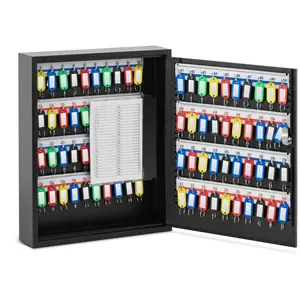
A sturdy key cabinet is the go-to choice when you manage numerous keys and want a clear overview at a glance. Many key cabinets feature rows of hooks, helping you assign each key its own position and reduce mix-ups. This makes them particularly useful for facilities management, property services, automotive workshops, caretakers, and any team that needs quick access without compromising on security.
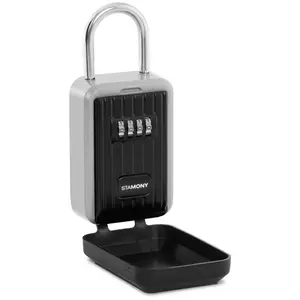
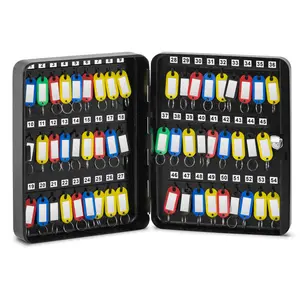
Key boxes are a compact alternative when space is limited or when you only need to store a smaller number of keys. They suit front-of-house desks, small offices, or back rooms where you want a discreet, lockable solution that still keeps essentials close to hand. A key box is also a neat option for separating priority keys from general sets, supporting clearer routines and reducing the risk of accidental access.
Both formats are chosen for their day-to-day practicality. Look for well-designed interiors that support tidy storage, plus robust housings that stand up to frequent use. In many workplaces, a key safe becomes part of the standard opening and closing procedure: keys are signed out, returned to a set position, and secured immediately. That simple discipline protects your premises, keeps operations moving, and supports professional standards.
If your environment includes staff and visitor safety requirements, it can be helpful to keep secure storage and safety supplies arranged logically across your site. For example, teams may coordinate access to secure areas while maintaining stock of personal protective equipment nearby, ensuring everyone can work safely without compromising access control.
Choose key safes that fit your routine: capacity, locking options, and installation
When selecting key safes, start with capacity. Think not only about how many keys you have today, but how your needs may grow. A key cabinet with ample hook positions can accommodate new staff, new rooms, or additional vehicles without forcing a complete reorganisation later. If you prefer strict structure, choose an interior layout that allows logical grouping, such as by floor, department, or property.
Locking method is the next key consideration. Some teams prefer a traditional key lock for straightforward control, while others may opt for alternative locking styles depending on internal processes. Whichever you choose, the goal is the same: a consistent, reliable barrier that supports authorised access only, with minimal friction for approved users. Consider who needs access, how often the cabinet will be opened, and whether you want access limited to supervisors or shared across a shift.
Installation and placement also matter. Wall-mounted key cabinets and key boxes help keep keys off desks and out of drawers, while placing them in a controlled area supports better oversight. Position your key safe where it fits your workflow: close enough to be convenient, but not so public that it invites unwanted attention. A clearly defined “key point” can streamline handovers and reduce the time spent searching, especially in busy environments.
Finally, think about how key storage fits into your wider cash-and-asset handling routines. Many organisations keep keys secure in one place and cash handling tools in another, maintaining tidy processes and clear responsibilities. If your operation includes small takings or float management, pairing organised key storage with dedicated cash boxes can help keep daily admin efficient and well controlled.
With the right key safe in place, you create a simple system that pays off every day: smoother access, fewer losses, better oversight, and a more professional way to manage shared spaces. Whether you choose a spacious key cabinet for high-capacity organisation or a compact key box for essential sets, this category is built around practical security that supports the way you work.