


Environmental Monitoring Technology
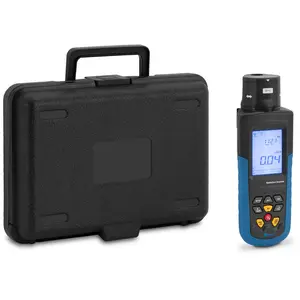

Geiger counter - α, β, γ, χ-radiation
- First
- 1
- Last
Get inspired with expondo blog



Environmental monitoring technology for cleaner indoor air and confident decision-making
Good environmental monitoring technology turns invisible conditions into clear, actionable information. Whether you manage a workshop, office, classroom, clinic, hospitality venue, or a home where comfort matters, reliable sensors help you understand what is happening in the air around you and respond before minor issues become major disruptions.
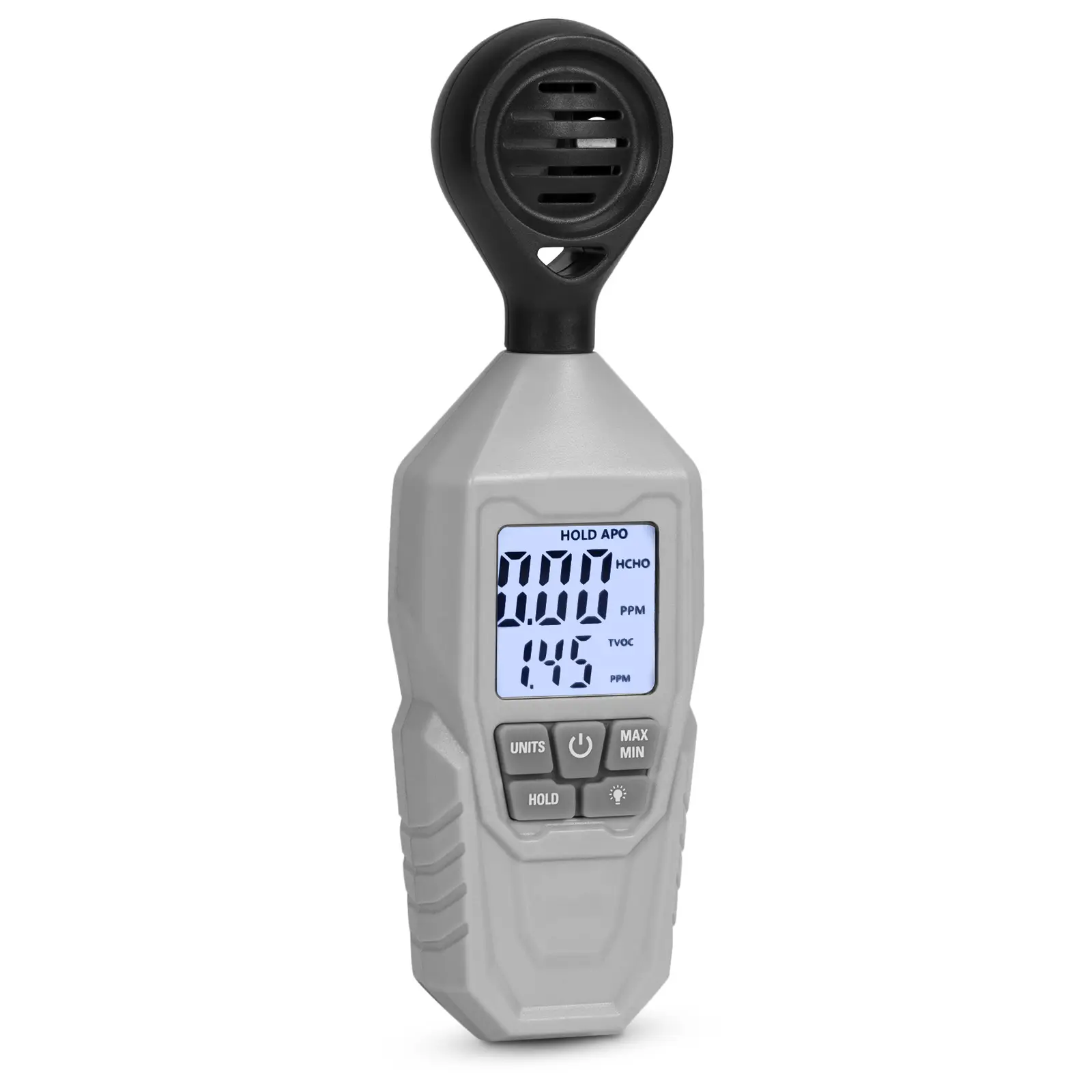
Our air quality monitors are designed to make everyday air assessment straightforward. Depending on the model, you can track key indicators such as particulate levels, temperature and humidity trends, and overall air status at a glance. This helps you pinpoint when ventilation is needed, identify patterns linked to occupancy or activities, and maintain a consistent environment for staff, visitors, and sensitive equipment. Clear displays and practical alarms support quick action, while portable designs make it easy to check different rooms, storage areas, or production zones.
If you also keep an eye on outdoor conditions, pairing indoor checks with broader site awareness can be useful. For extended environmental context, you may also be interested in weather stations, which support monitoring beyond the walls of your building without complicating your day-to-day routine.
For teams who need dependable readings across repeated checks, the right device is the difference between guesswork and confidence. Many instruments in this category are built for regular use, with intuitive controls, robust housings, and fast start-up times, so you can integrate them into daily opening checks, compliance routines, or periodic audits without slowing down operations.
Environmental monitoring technology with smart thermometers for rapid temperature insights
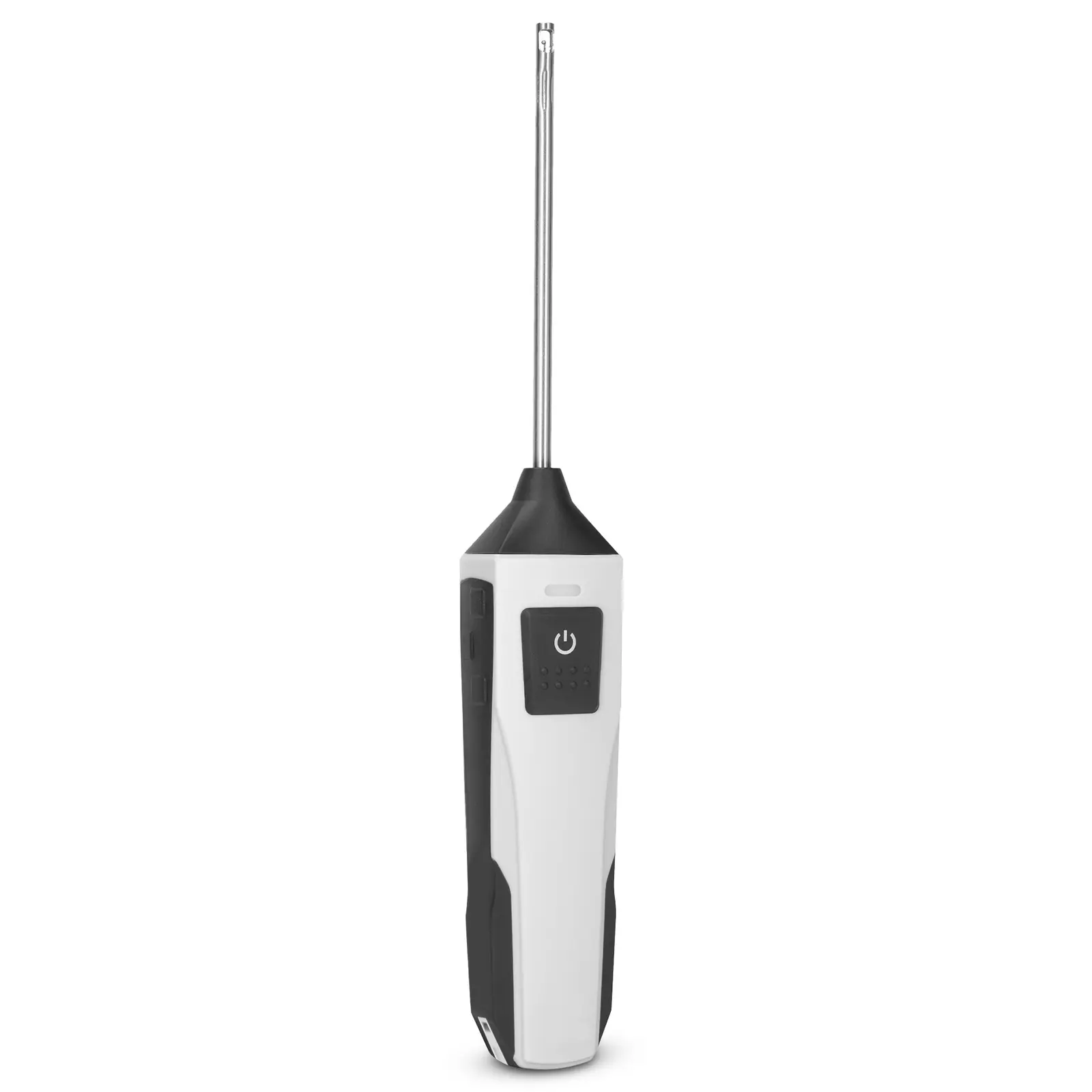
Temperature is one of the most influential environmental variables, affecting comfort, product stability, storage conditions, and process consistency. Smart thermometers make it easy to monitor temperature changes accurately and respond promptly, whether you are troubleshooting hot spots, assessing draughty areas, or confirming that a space is staying within required limits.
Many smart thermometers offer convenient features such as quick readings, clear digital displays, and practical memory functions for spot checks. They are ideal for facilities teams, caterers, warehouses, labs, and anyone who needs repeatable temperature checks without complex set-up. Use them to verify heating and cooling performance, assess the effectiveness of insulation, or confirm conditions during deliveries and storage.
For non-contact temperature checks, infrared-thermometers are a practical choice when you want rapid surface readings from a safe distance. They help you assess equipment casings, pipes, radiators, refrigerated displays, and other surfaces where contact readings may be inconvenient or unsuitable, supporting quicker diagnostics and smoother maintenance planning.
Combined with air monitoring, temperature tools give you a rounded view of comfort and control. Instead of relying on a single wall thermostat or subjective impressions, you can validate conditions room by room, track changes over time, and demonstrate that adjustments have delivered measurable improvements.
Environmental monitoring technology for safety checks: sound meters and geiger counters
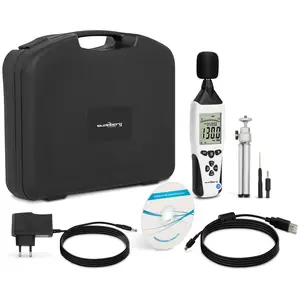
A complete approach to environmental monitoring technology also considers hazards and nuisance factors that may not be obvious at first glance. Sound meters help you evaluate noise levels in workplaces and public-facing environments, supporting healthier working conditions and better customer experiences. Whether you are assessing machinery noise, monitoring a rehearsal space, or checking compliance with site policies, a sound meter provides immediate readings that are easy to interpret and record.
Sound assessments are particularly valuable where multiple noise sources overlap. With a dedicated meter, you can identify peak moments, compare areas, and validate the impact of changes such as equipment repositioning, barriers, or revised operating times. This supports practical decision-making and helps protect hearing and concentration where noise is a daily factor.
For radiation awareness and precautionary checks, geiger counters provide an additional layer of reassurance. They are used for screening and educational applications, controlled environments, and situations where you want to verify that background levels remain normal. Clear readouts, portable formats, and straightforward operation allow users to conduct quick surveys and maintain a sensible safety routine.
Across all these devices, consistency matters. Choosing tools that suit your environment, usage frequency, and reporting needs will make monitoring easier to maintain over time. If you are building a complete toolkit, explore our wider range of measurement equipment to support regular checks, documentation, and continuous improvement across your site.