


Moisture Meters
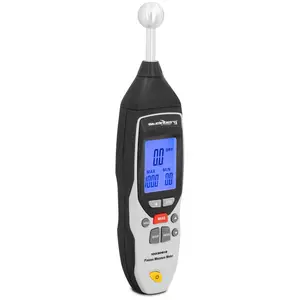

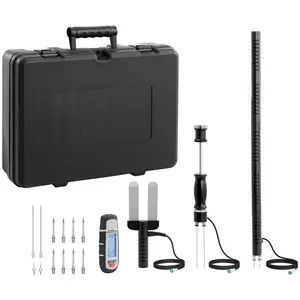
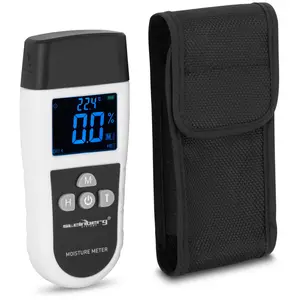
Moisture Meter - with ball sensor - 0 - 100 % - incl. case

- First
- 1
- Last
Get inspired with expondo blog


Moisture meters for confident, accurate readings
Moisture is one of those hidden factors that can make or break a job. Whether you are checking timber before finishing, assessing a wall after a leak, or monitoring stock in storage, moisture meters give you fast, dependable insight so you can act before dampness becomes damage. Our range is designed for practical, day-to-day use: straightforward to operate, quick to read, and built to support consistent decision-making.
At the heart of the category are handheld moisture meter models that help you measure moisture content in common materials with minimal fuss. They are ideal when you need a clear pass/fail indication, a comparative check across several areas, or a quick confirmation that a surface is ready for the next step. With a compact body and comfortable grip, they are easy to carry between rooms, floors, or work sites, keeping checks efficient and routine rather than disruptive.
For users who value clarity and speed, a digital moisture meter is a natural choice. Digital displays make results easy to interpret at a glance, which is especially useful when you are working in low light, moving between multiple measurement points, or recording outcomes for quality control. Many professionals appreciate practical functions such as measurement stabilisation, hold features for note-taking, and clear indicators that help you spot anomalies quickly.
Moisture testing rarely happens in isolation, and it often sits alongside broader site or environmental checks. If you are already gathering context using tools such as weather stations, a reliable meter helps you connect ambient conditions to what is happening inside a material. The result is a more complete picture: not guesswork, but informed action backed by consistent measurement.
Digital moisture meter and humidity sensor options for every environment
Different tasks call for different approaches, which is why the category includes both direct moisture measurement tools and dedicated humidity monitoring. If you are managing interior conditions, storage spaces, workshops, or production areas, a humidity sensor can support ongoing checks of relative humidity and help you maintain stable conditions that protect materials, equipment, and finished goods.
In practical terms, humidity monitoring is invaluable where changes are gradual and easy to miss: storerooms, basements, drying areas, and packaging zones. A good sensor allows you to spot trends early and take corrective action before issues arise. It can help prevent warping and swelling in wood-based materials, reduce the risk of condensation, and support more predictable outcomes when curing, drying, or storing sensitive items.
For quick assessments in the field, a digital moisture meter brings speed and confidence. Clear readouts help reduce interpretation errors, and a portable design means you can test multiple points in minutes. When you are checking large surfaces, it is often wise to take readings in a pattern and compare results to identify damp patches, uneven drying, or problem areas that need further attention.
Many users combine moisture checks with location and level verification during refurbishment, installation, or inspection work. If that sounds like your routine, it makes sense to keep measurement tools aligned: moisture results become even more useful when you can relate them to accurate positions and reference points. For teams who already carry surveying equipment, adding a dependable meter helps transform observations into evidence you can document, discuss, and act upon.
Moisture meter with ball sensor: gentle testing, professional results
Some materials and surfaces demand a softer touch. A moisture meter with ball sensor is designed for scenarios where you want to minimise marking while still achieving meaningful readings. The ball-style contact can make it easier to take consistent measurements across sensitive finishes, coated surfaces, or areas where appearance matters, such as interior joinery, decorative panelling, or finished components awaiting delivery.
This style of meter can be a smart choice for professionals who perform frequent checks and need a balance between speed, practicality, and surface care. It supports repeatable testing across multiple points without turning the process into a repair job afterwards. Used correctly, it helps you pinpoint moisture-related risk early, so you can choose the right next step: allow extra drying time, improve ventilation, or investigate potential ingress.
Moisture measurement also plays a vital role in quality assurance. In woodworking and building maintenance, a quick reading can prevent costly callbacks by confirming that materials are within acceptable limits before sealing, painting, laying flooring, or packaging. In storage and logistics, it helps protect goods by highlighting conditions that could lead to mould, deterioration, or compromised performance. The best results come from consistent routines: measure, record, compare, and respond.
For teams working across larger sites, moisture checks often accompany alignment, layout, and verification tasks. If you already rely on precise visual references from laser equipment, a trusted meter adds another layer of control by confirming that the material itself is ready, not just the dimensions. Choose the moisture meter type that fits your workflow, and you will gain quicker decisions, fewer surprises, and more reliable outcomes from start to finish.