


Science Equipment For Schools Equipment
FILTER
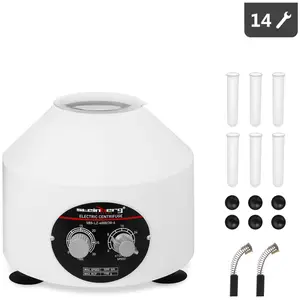
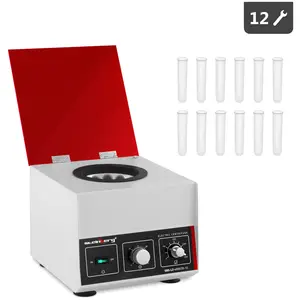

Microcentrifuge - 12 x 20 ml - RCF 1,150 xg

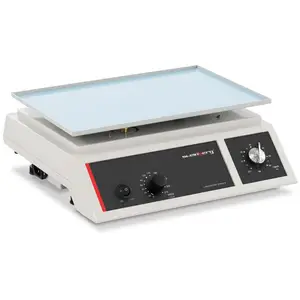
Laboratory Shaker - 0 - 210 rpm
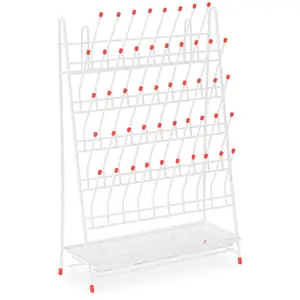
Glassware Drying Rack - 48 pegs
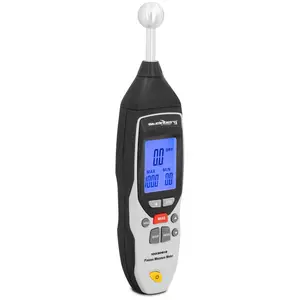
Moisture Meter - with ball sensor - 0 - 100 % - incl. case

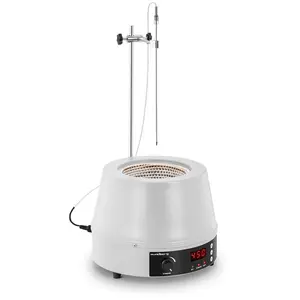
Magnetic Stirrer with Heating Mantle - digital - round-bottom flasks - 1,000 ml
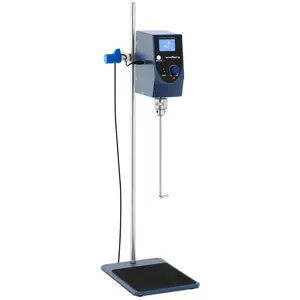
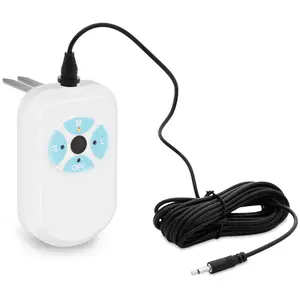

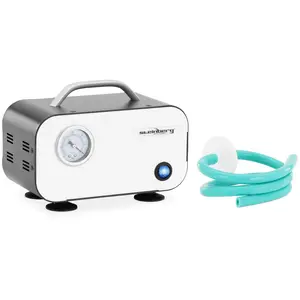
Vacuum pump - pressure gauge - 10 L/min - oil free
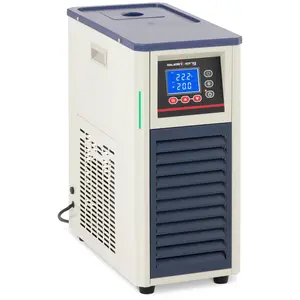
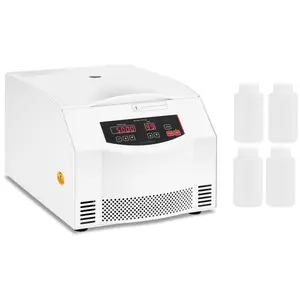
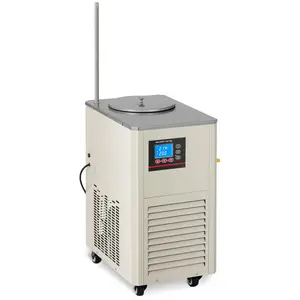
Recirculating Chiller - compressor: 726 W - -20 - 20 ℃ - 20 L/min
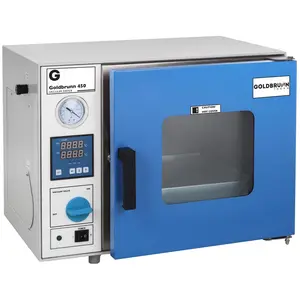
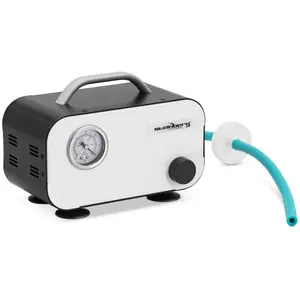
Vacuum pump - pressure gauge - 20 L/min - oil free
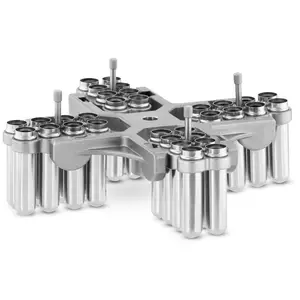
Swing-out Rotor - 32 x 10 ml
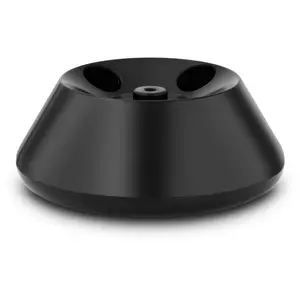
Angle Rotor - 4 x 50 ml
Science equipment for schools: practical tools for real classroom discovery
Great science lessons happen when pupils can test ideas with their own hands. Our science equipment for schools equipment is chosen to help you deliver clear demonstrations, repeatable experiments and safe practical work across key stages, from introductory investigations through to more advanced A-level style techniques. Whether you are setting up a new prep room or refreshing well-used kit, you will find robust, classroom-ready instruments designed for frequent handling, straightforward cleaning and reliable performance.
To build strong experimental habits, it helps to work with the same kinds of tools used in real laboratories—just in a format that suits education. That is why the range includes core laboratory equipment such as centrifuges, incubators and stirring solutions, alongside measuring and monitoring devices that bring data to life. The result is a more engaging learning environment where pupils can observe change, record results and discuss scientific method with confidence.
Many schools also value equipment that supports cross-curricular teaching. For example, instruments that reveal motion, heat transfer or environmental conditions can feed directly into mathematics, geography and design & technology projects. With the right selection, a single piece of kit can support multiple lesson plans, making your budget go further while keeping practical work at the heart of science education.
School laboratory equipment for chemistry: stirrers, hot plates and controlled mixing
Consistent mixing and accurate heating make chemistry clearer and safer to teach. Magnetic stirrers with heating plates and hot plate laboratory units are ideal for preparing solutions, demonstrating solubility, speeding up reactions and maintaining steady temperatures during practicals. They provide a stable working surface and dependable control, helping you avoid the guesswork that can come with manual stirring and inconsistent heat sources.
For larger volumes or thicker mixtures, overhead stirrers deliver strong, even agitation—useful for preparing suspensions, dissolving reagents efficiently and supporting project work where viscosity varies. When you need hands-free, repeatable motion for multiple samples, a laboratory shaker can keep flasks or containers moving at a constant rhythm, supporting experiments where time and uniformity matter. Together, these tools help pupils focus on the science: predicting outcomes, observing changes and explaining results, rather than battling uneven mixing.
Small but important essentials also play a key role in day-to-day teaching. Laboratory beakers support measuring, heating and mixing tasks across nearly every topic, while a mini prism can turn a simple light demonstration into a memorable lesson on refraction and spectra. These foundational items complement the powered equipment, making it easier to run practicals smoothly—especially when several groups are working at once.
Science equipment for schools for biology, physics and environmental monitoring: centrifuges, incubators and sensors
Biology becomes far more tangible when pupils can separate, incubate and observe samples under controlled conditions. A microcentrifuge or benchtop centrifuge supports quick separation of liquids and particulates, making it easier to demonstrate principles such as density, sedimentation and sample preparation. These devices are particularly helpful for structured investigations where pupils compare variables and need consistent, comparable results.
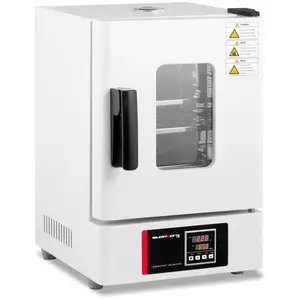
To explore growth, enzymes and temperature-dependent reactions, a laboratory incubator helps maintain stable conditions over time. This supports longer investigations that run over several lessons, allowing pupils to plan, monitor and evaluate outcomes with a more authentic scientific workflow. For experiments requiring gentle, uniform heating, a thermostatic water bath offers controlled temperature stability that is well suited to classroom demonstrations and repeatable practical tasks.
Physics and environmental science benefit from clear, measurable signals. A WiFi weather station can make local conditions visible and trackable, encouraging pupils to analyse patterns, plot graphs and discuss microclimates or seasonal change. For lessons that introduce radiation and safety awareness, a Geiger counter provides an immediate, data-led way to explore detection and measurement. You can also support fieldwork and material testing with moisture meters and humidity sensors, helping pupils understand how water content affects materials and environments.
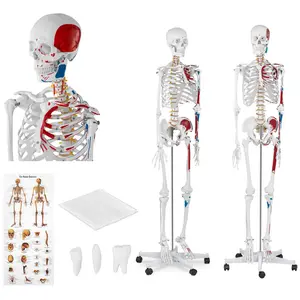
If your curriculum includes wider observation and model-based learning, you can pair practical measurement with visual context using anatomy models for biological structure and telescopes and binoculars for studying distant objects and developing observational skills. Combined with the core instruments in this category, these additions help you create a well-rounded, hands-on science space where curiosity is encouraged, results are repeatable and learning is genuinely engaging.