


Pull-Up Bars

Get inspired with expondo blog




Pull-up bars for everyday upper-body strength
Pull-up bars are a straightforward, space-savvy way to build real-world strength using your own bodyweight. Whether you are training at home, equipping a personal studio, or refreshing a small gym corner, these bars make it easy to practise classic movements such as pull-ups, chin-ups, hanging knee raises, and controlled negatives. The result is a powerful blend of back, shoulder, arm, and core work that suits beginners aiming for their first unassisted rep as well as experienced athletes chasing higher volume and cleaner form.
Because pull-up training is about consistency, the right setup matters. A stable bar gives you the confidence to train regularly, focus on technique, and progress safely. Many designs offer multi-grip options, letting you rotate hand positions to target different muscle groups and reduce overuse. Wide grips emphasise the lats, closer grips bring more arms into the movement, and neutral grips can feel kinder on wrists and elbows. With a dependable pull-up bar in your training area, you can turn short sessions into meaningful progress without complicated routines.
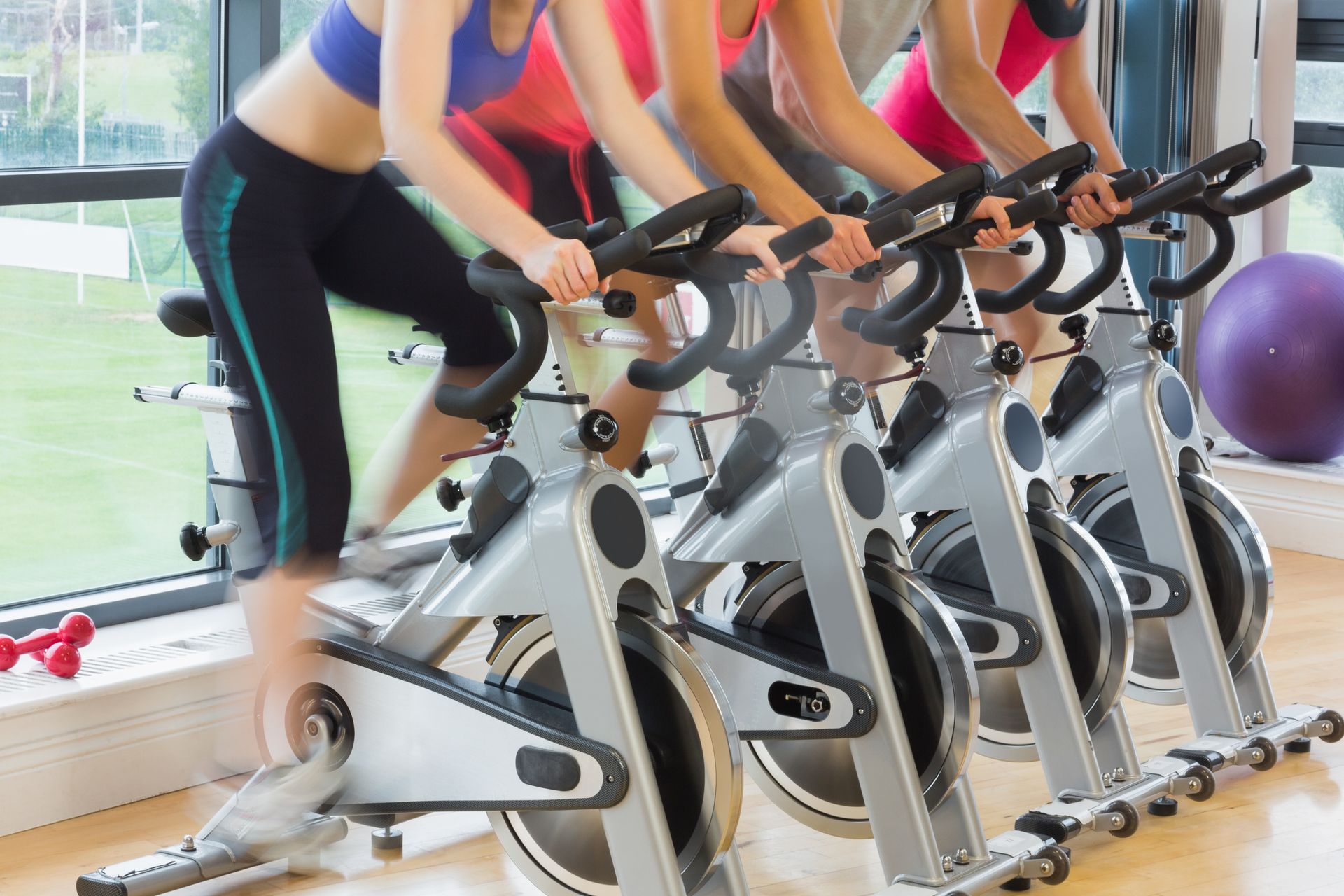
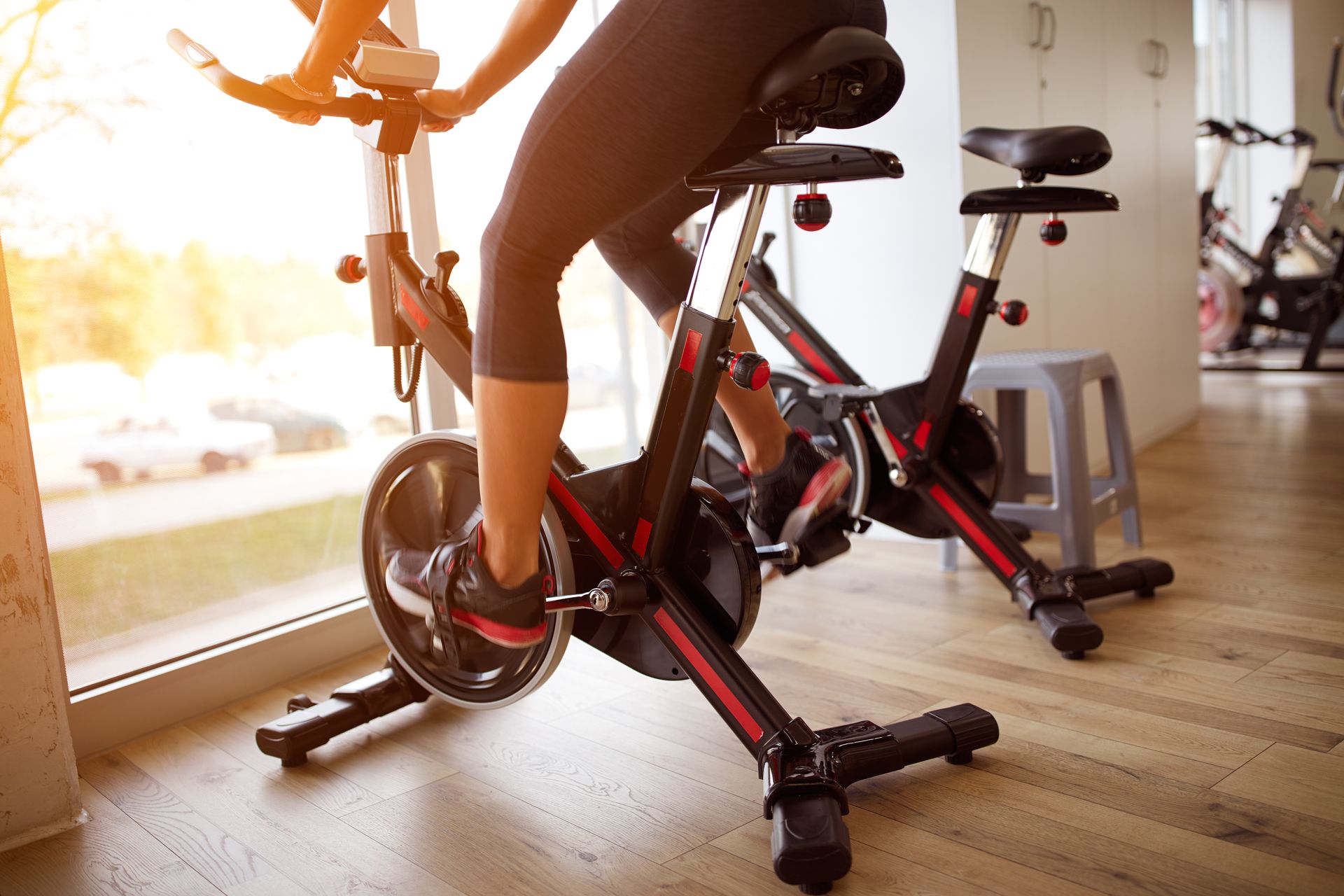
Pull-up bars also integrate brilliantly into broader workout plans. Pair your bar work with bodyweight pushing and leg exercises for balanced full-body training, or add structured resistance sessions alongside strength training equipment to fine-tune progressive overload. If you like to alternate strength days with conditioning, it is easy to slot in cardio sessions on exercise bikes while keeping pull-ups as a cornerstone movement for posture, pulling power, and upper-body definition.
Ceiling pull-up bars for secure overhead training
Ceiling pull-up bars are ideal when you want a dedicated, permanent training point that feels solid and dependable. Mounted overhead, they can provide generous clearance for a full hang, helping you achieve proper range of motion and a consistent starting position. This is especially valuable for strict pull-ups, dead hangs, scapular pull-ups, and core-focused hanging drills where stability and headroom make every repetition smoother and more controlled.
A good ceiling-mounted bar supports confident training by keeping movement where it belongs: in your body, not in the mounting. When choosing a ceiling pull-up bar, consider the available space, the height of the mounting point, and your preferred grip width. Many users appreciate a bar that allows both wide and narrow positions, so sessions can include strength work, endurance sets, and technical practice without constant adjustments. If you enjoy varied programming, an overhead bar also lends itself to mobility work such as shoulder decompression hangs and gentle thoracic opening, which can be a welcome addition after long hours at a desk.
Ceiling pull-up bars can also be the anchor of a compact training zone. Place the bar above a clear floor area, add a mat for comfort and grip, and you have a focused station that encourages regular practice. For strength progression, you can mix strict sets with eccentrics, pauses at the top, and controlled tempo reps. Over time, this kind of consistent, high-quality training can improve pulling strength, upper-back engagement, and overall athletic control, all from a single overhead fixture.
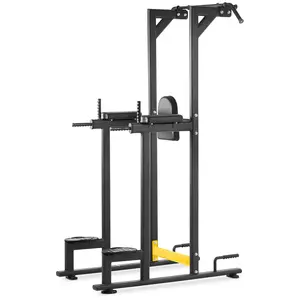
Dip stand and pull-up bars stations for versatile bodyweight workouts
If you want more than one movement pattern in a single footprint, a dip stand can be an excellent companion to pull-up bars training. Dips strengthen the chest, shoulders, and triceps, balancing the pulling work of chin-ups and pull-ups for a more complete upper-body routine. In many training spaces, dip stands are chosen for their flexibility: they can be repositioned, used for deep stretches and support holds, and incorporated into circuits that keep sessions engaging without needing a room full of machines.
Combining pulling and dipping in one programme supports better overall development and helps you train with purpose. A typical session might include pull-ups for vertical pulling strength, dips for pressing power, and core work to stabilise everything. You can also build efficient supersets: alternate a pull-up variation with dips, then finish with plank holds or hollow-body drills. This format is popular because it is time-effective, adaptable to different fitness levels, and easy to repeat week after week while tracking improvement.
For a more complete training corner, many people like to add a bench for accessory work such as step-ups, hip thrusts, seated dumbbell movements, or controlled stretching. If that fits your plan, weight benches pair neatly with pull-up bars and dip stands, letting you organise a balanced routine that includes pushing, pulling, legs, and core without clutter. The key advantage of these bodyweight essentials is their simplicity: they are approachable for newcomers, satisfying for experienced lifters, and versatile enough to support everything from strength goals to everyday fitness and posture-focused training.
Whichever style you choose, pull-up bars and related stations reward consistency. A stable setup encourages better technique, and better technique leads to safer progression. From strict pull-ups to challenging dip work, these products help you create a practical training space that motivates you to show up, put in the reps, and enjoy measurable improvements in strength and control.