


Grinders
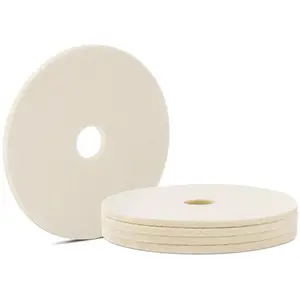

Set of 5 Polishing Discs - Ø 150 mm - fleece
- First
- 1
- Last
Get inspired with expondo blog


Grinders for fast stock removal and clean shaping
Whether you are refining metalwork, preparing timber for finishing, or smoothing down rough edges after cutting, grinders are all about controlled material removal and consistent results. The right grinding and sanding setup helps you move from “rough” to “ready” efficiently, saving time while improving the quality of the final surface. In this category you will find practical solutions designed to support common workshop tasks such as shaping, levelling, deburring, and surface preparation.
Good grinding is never just about speed; it is about stability, repeatability, and the ability to match the abrasive to the job in hand. For heavier correction you will typically start with a coarser surface, then work down through finer grades for a cleaner finish. This staged approach reduces heat build-up, limits the risk of gouging, and helps maintain crisp edges. It is also a simple way to get a more professional look on welds, corners, profiles, and flat surfaces.
Many users build a workflow around complementary tools: shaping first, sanding second, then polishing or buffing where needed. If you are kitting out a workshop or upgrading your current setup, you can coordinate grinders alongside other essentials from our power tools range to create a practical, task-focused tool kit for fabrication, renovation, and general maintenance.
For best results, keep an eye on workpiece support and safe handling. A steady grip, sensible pressure, and regular checks on abrasive condition go a long way towards a smooth, even finish. If dust is produced, good extraction and PPE will help keep your workspace comfortable, clean, and ready for the next stage of your project.
Grinders with drum sander options for curves, contours and interiors
When your work involves curves, roundovers, internal cut-outs, or awkward profiles that are difficult to reach with flat abrasives, a drum sander becomes a remarkably versatile choice. Designed to sand using a cylindrical surface, it can follow contours more naturally than many rigid alternatives, making it ideal for shaping edges, smoothing inside apertures, and refining surfaces where access is limited.
A drum sander is especially useful when you need controlled removal without losing the original shape of the piece. It can help you true up holes, clean up routed edges, and even out surfaces on both timber and suitable composites, all while letting you approach the work from different angles. With sensible abrasive selection, you can move from initial shaping to a noticeably finer finish without constantly switching to completely different tools.
One of the biggest advantages is flexibility in how you deploy it. Depending on your preferred working style and job demands, a drum sander can be paired with handheld drills for portable sanding and quick adjustments, or used as part of a more stationary routine where you can guide the workpiece carefully for consistency. This makes it a practical option for both on-site touch-ups and workshop-based finishing.
To keep performance consistent, pay attention to abrasive wear and heat. Let the abrasive do the work, avoid excessive pressure, and change sleeves or sanding surfaces when they become clogged or glazed. This not only improves the quality of your finish but also helps reduce vibration and keeps results predictable from start to end.
Grinders finishing touches with a set of 5 polishing discs
Once the shaping and sanding stages are complete, polishing is where your work can really stand out. A set of 5 polishing discs gives you a practical route to brighter surfaces and a more refined finish, whether you are restoring metal components, tidying up stainless steel details, or enhancing the appearance of parts before assembly or presentation. Having multiple discs in one set also makes it easier to dedicate individual discs to specific materials or compounds, helping you maintain a cleaner, more reliable polishing routine.
Polishing discs are designed to support progressive finishing: you can build gloss and clarity gradually, minimise swirl marks, and achieve a more uniform sheen across the workpiece. They are a popular choice for final-stage detailing after sanding, especially where a clean, professional look matters. Used correctly, they can help lift the appearance of edges and faces, reduce visible handling marks, and bring out a more premium finish on completed work.
To get the best from polishing, keep your surface preparation consistent and your work area clean. Remove sanding dust, avoid cross-contamination between compounds, and work at a sensible pace so you do not overheat the material. If you want to broaden your finishing options further, you can complement your polishing setup with compatible sander accessories, enabling you to adapt quickly between sanding and polishing tasks without interrupting your workflow.
From shaping and smoothing to bright, polished results, the right combination of grinders, drum sanding solutions, and polishing discs helps you work with more confidence and control. Whether you are focused on practical repairs or high-quality finishing, these workshop-ready essentials are built to help you achieve dependable surfaces and a result you will be pleased to show.