


Bone Saws
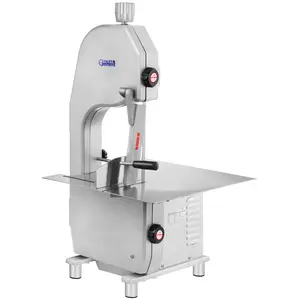

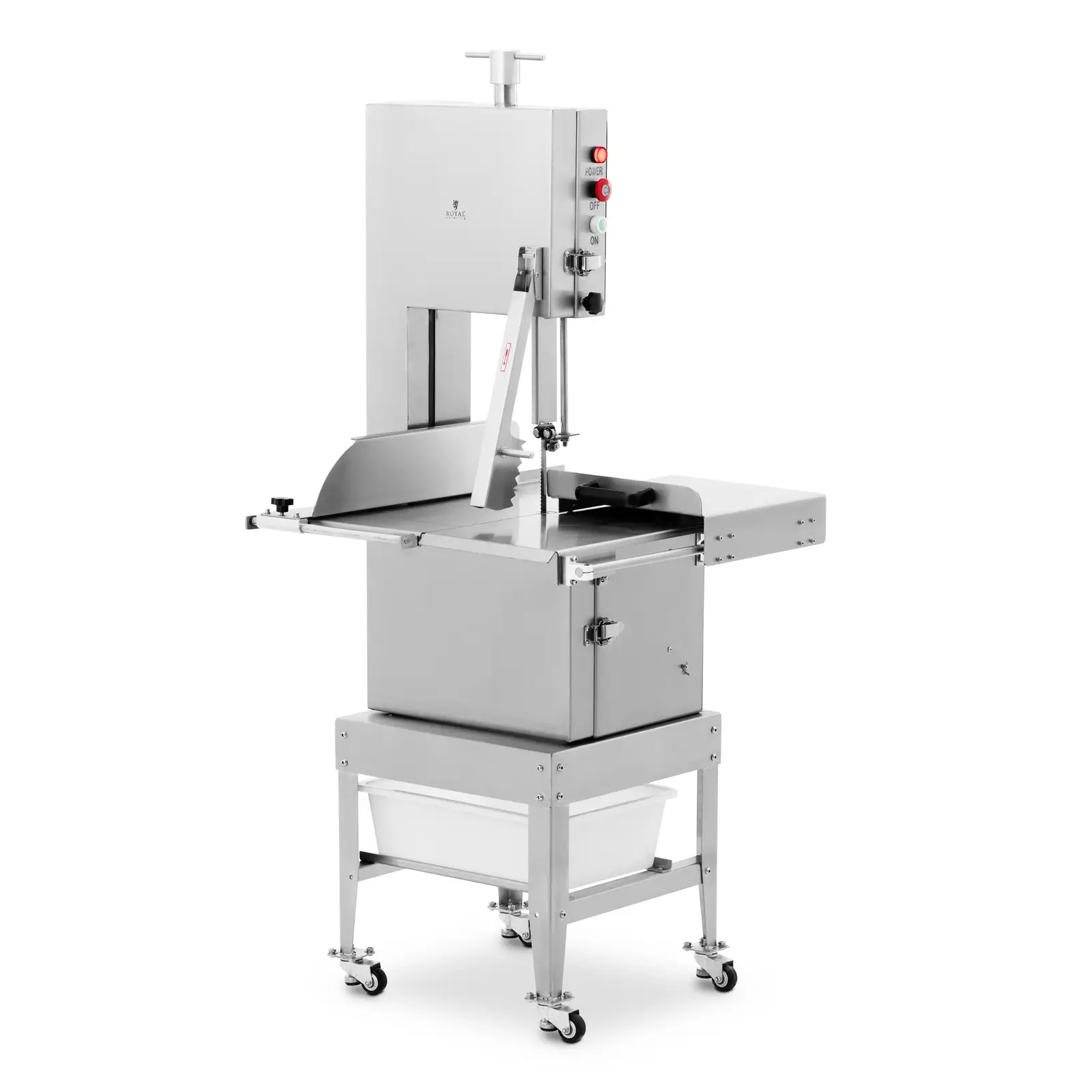
Commercial Bone Saw - Stainless Steel - 880 W - 1650 mm
- First
- 1
- Last
Get inspired with expondo blog





Electric bone saws that turn heavy-duty cutting into a smooth routine
When speed, consistency and hygiene matter, bone saws are a dependable centrepiece for professional meat preparation. Designed to tackle tougher tasks than a standard knife set can manage, these machines help you portion ribs, joints, marrow bones and larger cuts with confidence. Whether you’re breaking down whole carcasses, preparing chops for the counter or portioning for service, a dedicated saw supports clean, repeatable cuts that look good and help reduce waste.
Electric bone saw models are built for busy environments where time and throughput count. A powerful motor drives the blade through dense bone and chilled meat with less effort from the operator, helping maintain a steady pace during peak prep times. Many users appreciate how an electric format supports uniform portioning, so your steaks, chops and bone-in cuts can be presented consistently—ideal for retail displays, batch cooking and portion control.
From small preparation rooms to larger production spaces, there is a practical range of sizes and power levels. Compact units suit kitchens that need reliable portioning without taking over the workspace, while larger formats are well suited to frequent processing. Pairing the saw with the right workstation also matters for comfort and workflow; set-up on stable butcher blocks can help keep the cutting zone organised, with tools and trays close to hand and the working height better suited to long prep sessions.
Electric saws can also support your hygiene standards. Smooth surfaces and thoughtfully designed housings make regular wipe-downs easier, while accessible areas around the blade path help with thorough cleaning after use. For teams that work to strict food safety routines, the ability to break down and clean key components efficiently is a real advantage—especially when handling mixed proteins, switching between batches, or preparing for inspection.
Commercial bone saw options built for butchers, kitchens and processing rooms
Commercial bone saw equipment is made to perform where volume and durability are priorities. In professional environments, reliability is not just convenient—it protects your schedule. A robust frame, stable base and a well-aligned blade system help the saw track cleanly during repeated cuts, while a generous work surface supports larger joints and trays. If your daily prep includes bone-in portions, game, or larger primal cuts, a commercial unit can become one of the most valuable time-savers in the room.
Performance is not only about power; it’s also about control. A steady feed and an even cutting rhythm help reduce splintering and produce a neater finish, which can be particularly important for presentation and further processing. Many operations use bone saws as part of a wider production line, where the cut pieces are then prepared into mince, patties or fillings. For example, trimmings and smaller portions can be processed smoothly with meat mincers, helping you make the most of each delivery and support cost-conscious menu planning.
Commercial settings also benefit from features that support safer handling and quicker training. Clear sightlines to the cutting area, stable guides and sensible control placement make operation more intuitive, especially for teams working in shifts. In addition, smart design choices can help reduce fatigue over time, such as comfortable working heights and efficient material flow from receiving to cutting to packaging. The result is a cleaner, more predictable process that supports both quality and speed.
Because professional prep rarely stops at simple portioning, bone saws fit naturally into broader meat production tasks. Once joints and cuts are sized, they may be seasoned, packed, smoked or turned into ready-to-sell products. If you’re producing filled items or prepared lines, the next step can be quicker with sausage stuffers, allowing you to keep output steady while maintaining a consistent finish across batches.
Choosing bone saws for your workflow: blades, safety features and easy cleaning
Selecting the right bone saws is easier when you match the machine to your working style. Start by considering your typical ingredients: are you cutting predominantly smaller bones and chops, larger joints, or frequent high-volume loads? A larger cutting capacity and a more substantial worktable can make handling big cuts more comfortable, while compact saws may be better for occasional portioning in tighter spaces.
Blade choice is another key decision. Different blade types and tooth patterns can influence how smoothly you cut through bone, how tidy the cut edge looks and how quickly you can work. In practical terms, a well-matched blade can reduce tearing and help you achieve consistent portions with less trimming afterwards. Keeping blades properly tensioned and changing them when worn helps preserve performance and supports safer operation, especially in fast-moving preparation rooms.
Safety and usability features should also be high on your list. Look for designs that support confident, controlled cutting—such as stable guides, protective elements around the blade area and straightforward controls. A well-designed machine encourages good working habits, helping staff focus on accuracy and pace. For busy sites, easy access for cleaning is just as important: smooth surfaces, removable parts where appropriate and accessible corners all make it simpler to keep standards high and downtime low.
Ultimately, a bone saw is a practical investment in consistency, efficiency and professional presentation. With the right balance of power, capacity and cleaning convenience, you can streamline prep, support a safer workflow and deliver neatly portioned cuts that look as good as they perform in the kitchen. Explore the selection to find a model that fits your space, your throughput and the way your team likes to work—so you can spend less time wrestling with tough cuts and more time delivering quality results.