


DEF Pumps
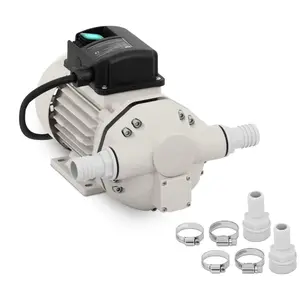

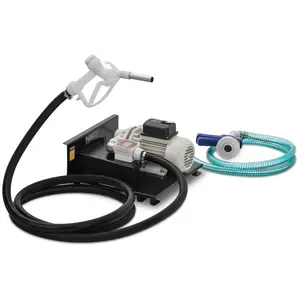
Get inspired with expondo blog




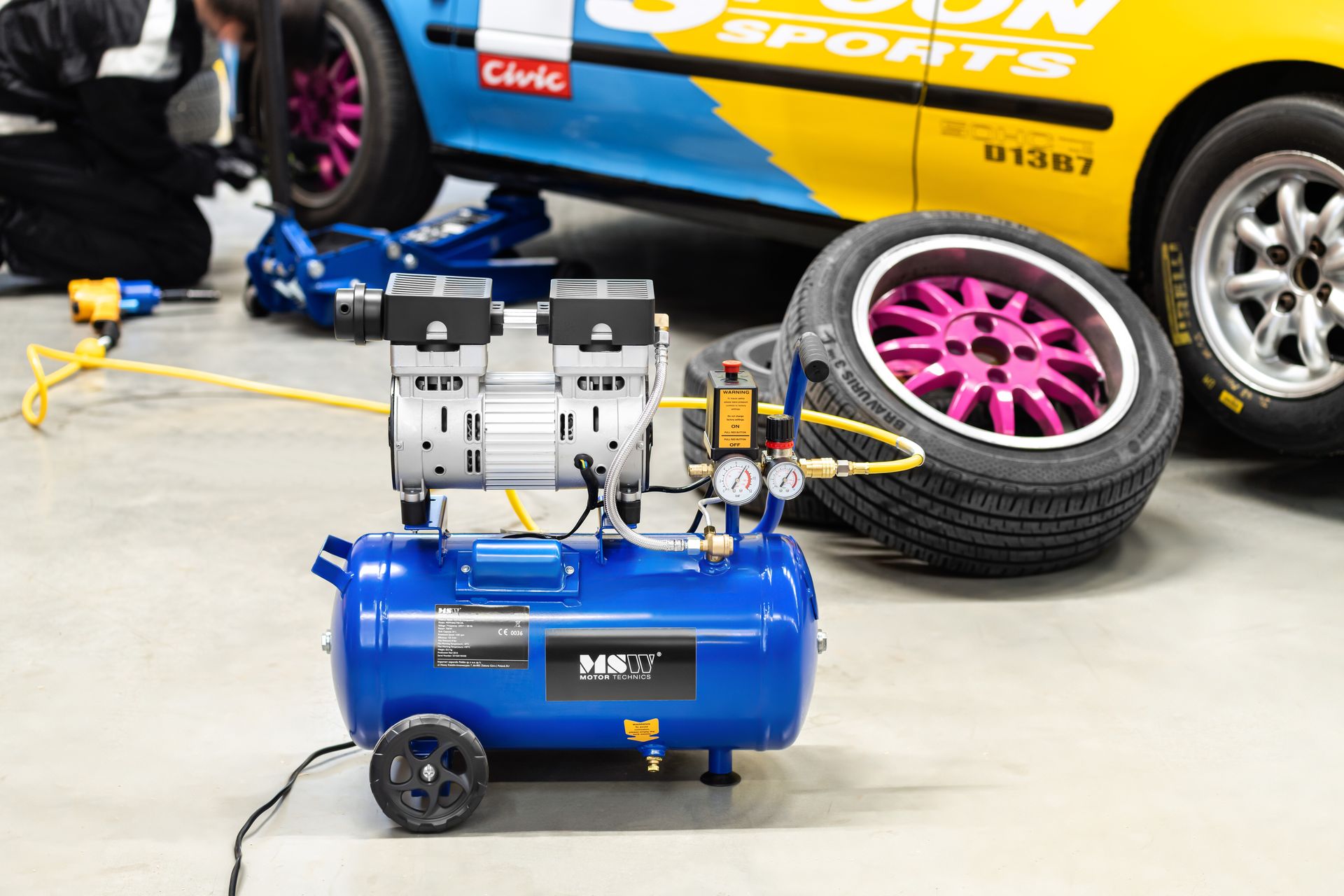



DEF pumps for dependable AdBlue/urea transfer
DEF pumps are designed to move Diesel Exhaust Fluid (also known as urea solution or AdBlue) cleanly, efficiently, and with the accuracy modern diesel systems demand. Whether you are topping up vehicles in a workshop, servicing a mixed fleet, or setting up a dedicated dispensing point, the right pump helps you reduce spills, prevent contamination, and keep refilling times comfortably short. Because DEF is sensitive to dirt and unsuitable materials, a purpose-built DEF pump is far more than “just a pump”: it is a practical safeguard for fluid quality and day-to-day reliability.
Within this category you will find robust solutions such as a dedicated urea pump and versatile DEF pump models suited to regular workshop use. These pumps are selected to support controlled dispensing into tanks and containers, helping you avoid waste and keeping the area around the filler neck tidy. In busy service bays, a consistent, predictable flow rate makes a real difference: technicians can refuel DEF confidently, stay on schedule, and maintain a professional standard of work without constantly stopping to wipe down drips or check for leaks.
Many customers choose DEF pumps as part of a wider workshop set-up, where clean fluid handling sits alongside routine servicing tasks. If you are streamlining your maintenance area, it can be helpful to coordinate your fluid-handling stations with complementary essentials such as oil change tools for efficient servicing and tidy waste management. Planning your layout this way keeps workflow smooth and reduces the risk of mixing equipment between incompatible fluids.
Choosing a urea pump that fits your application
Picking the right urea pump starts with understanding how and where you dispense. For occasional top-ups, you may prioritise straightforward operation and easy storage, while high-throughput environments benefit from a stronger duty cycle and fast, steady delivery. Consider the container sizes you refill most often, the distance between the fluid source and the vehicle, and whether you need a solution that is quick to relocate between bays or vehicles.
A good DEF pump should support clean handling at every step. That means stable, leak-resistant connections and dispensing that feels controlled at the nozzle end, especially when working around sensitive filler openings. If your workshop operates with multiple technicians, clarity and ease of use matter as much as raw performance: intuitive controls and consistent output help reduce operator error and encourage correct procedures, even during peak periods.
It is also worth thinking about how a DEF pump complements the rest of your work area. Many sites organise fluid service points together, combining dispensing, storage, and cleaning routines into a single zone. When DEF refilling sits alongside other workshop tasks, having the right surrounding infrastructure from your broader garage equipment set-up can make dispensing safer and more convenient, with fewer unnecessary steps between vehicle arrival and completion of the job.
Finally, consider the long-term routine: DEF is used continuously on modern diesel vehicles, so a pump that is comfortable to operate and easy to keep clean quickly pays back. Choosing a pump that suits your typical volumes and working pattern helps avoid bottlenecks, reduces the temptation to “make do” with unsuitable transfer methods, and supports a consistent standard of servicing across your team.
DEF pump installation, safe handling, and everyday upkeep
Installing a DEF pump is often as much about good practice as it is about hardware. Position the pump where it is protected from knocks and where hoses can be routed without sharp bends or trip hazards. Keep the dispensing area clean and dedicated to DEF to minimise the risk of contamination, and use only appropriate containers and fittings for urea solution. Small procedural habits—such as wiping connection points before and after use—help preserve fluid quality and keep the dispensing system performing smoothly.
Routine upkeep is simple yet important. Regularly inspect hoses, seals, and connectors for signs of wear, and check that joints remain tight after periods of frequent use. If your set-up includes quick couplings or you rely on air-driven support equipment in the same bay, having dependable components to hand can reduce downtime; many workshops like to coordinate service consumables and fittings with their existing pneumatic accessories to keep maintenance straightforward and consistent across stations.
Day to day, the best results come from keeping DEF handling predictable and controlled. A reliable DEF pump helps you dispense accurately, reduce mess, and protect the integrity of the fluid—making refilling a quick, professional task rather than a messy chore. Whether you are setting up a dedicated dispensing point or upgrading your current approach, the pumps in this category provide a practical foundation for efficient servicing and confident DEF management across your operation.