


Magnetic Drills
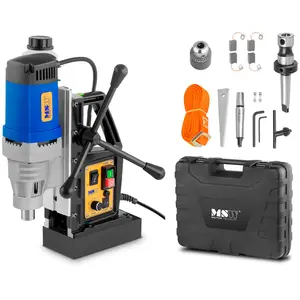

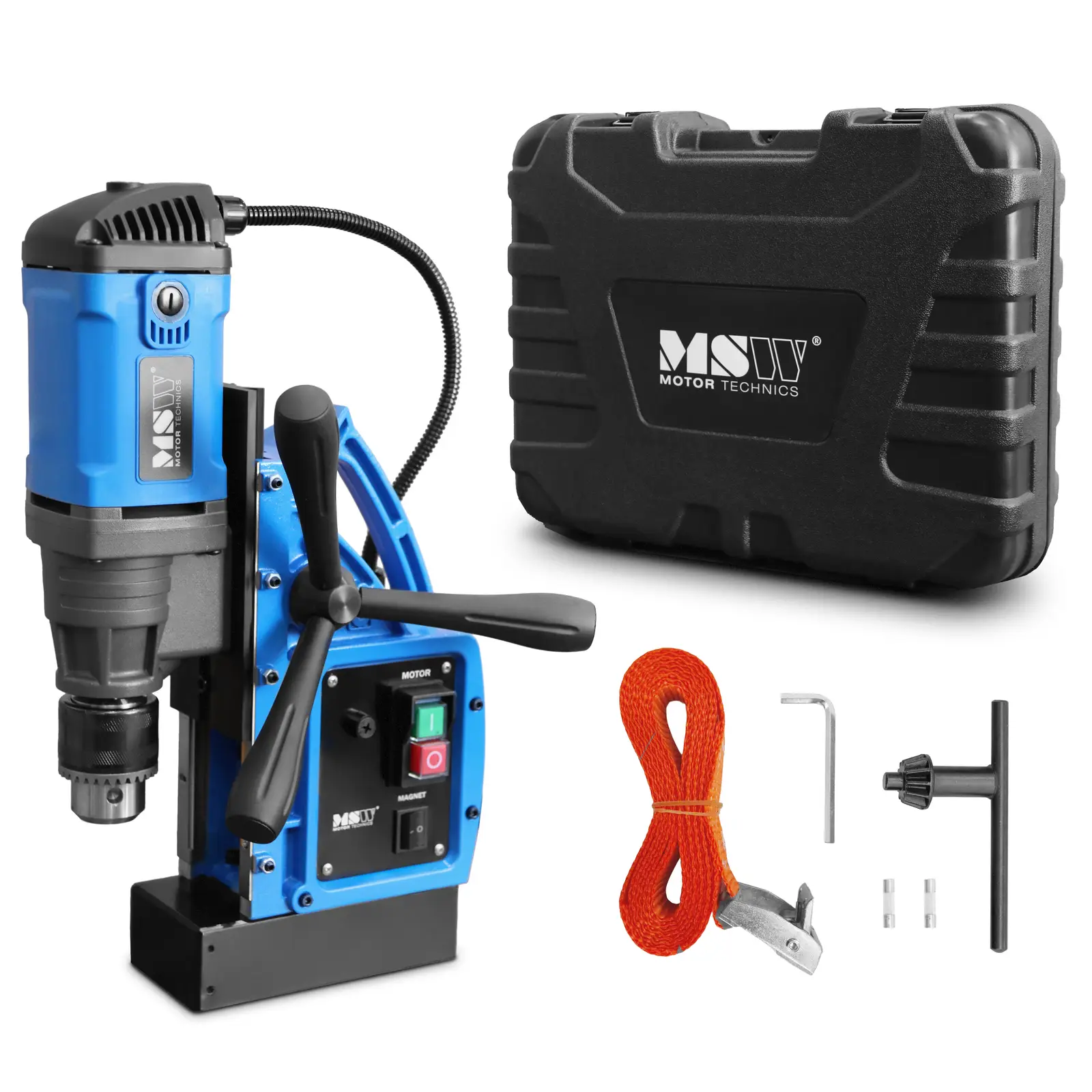
Magnetic Drill Machine - 1300 Watts - 600 rpm - Weldon Shank 19 mm
Magnetic Drill Machine - 1.680 Watt - 370 r/min - Weldon Shank 19 mm
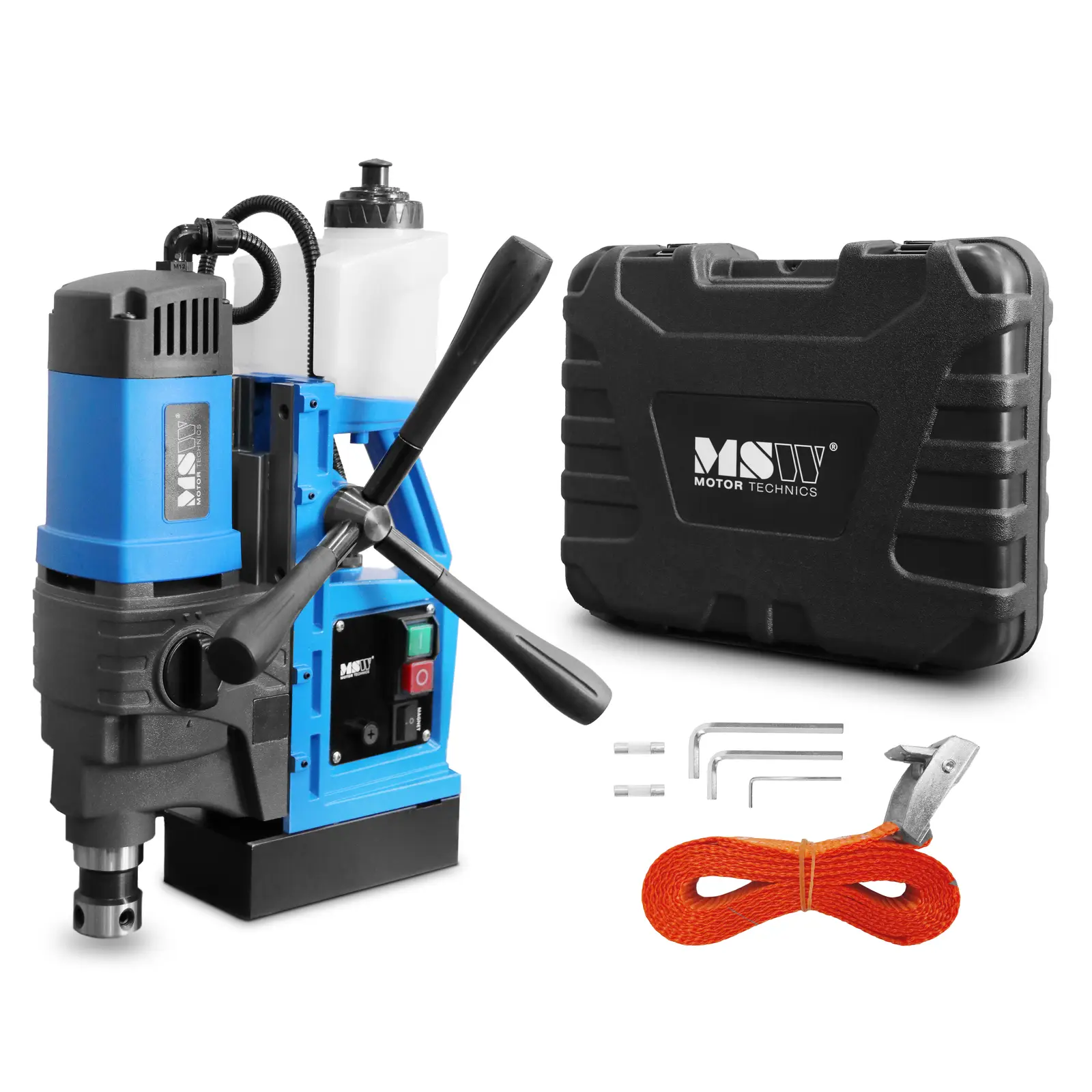
Magnetic Core Drill - 1650 W - 290/510 rpm - max drilling diameter 16/50 mm
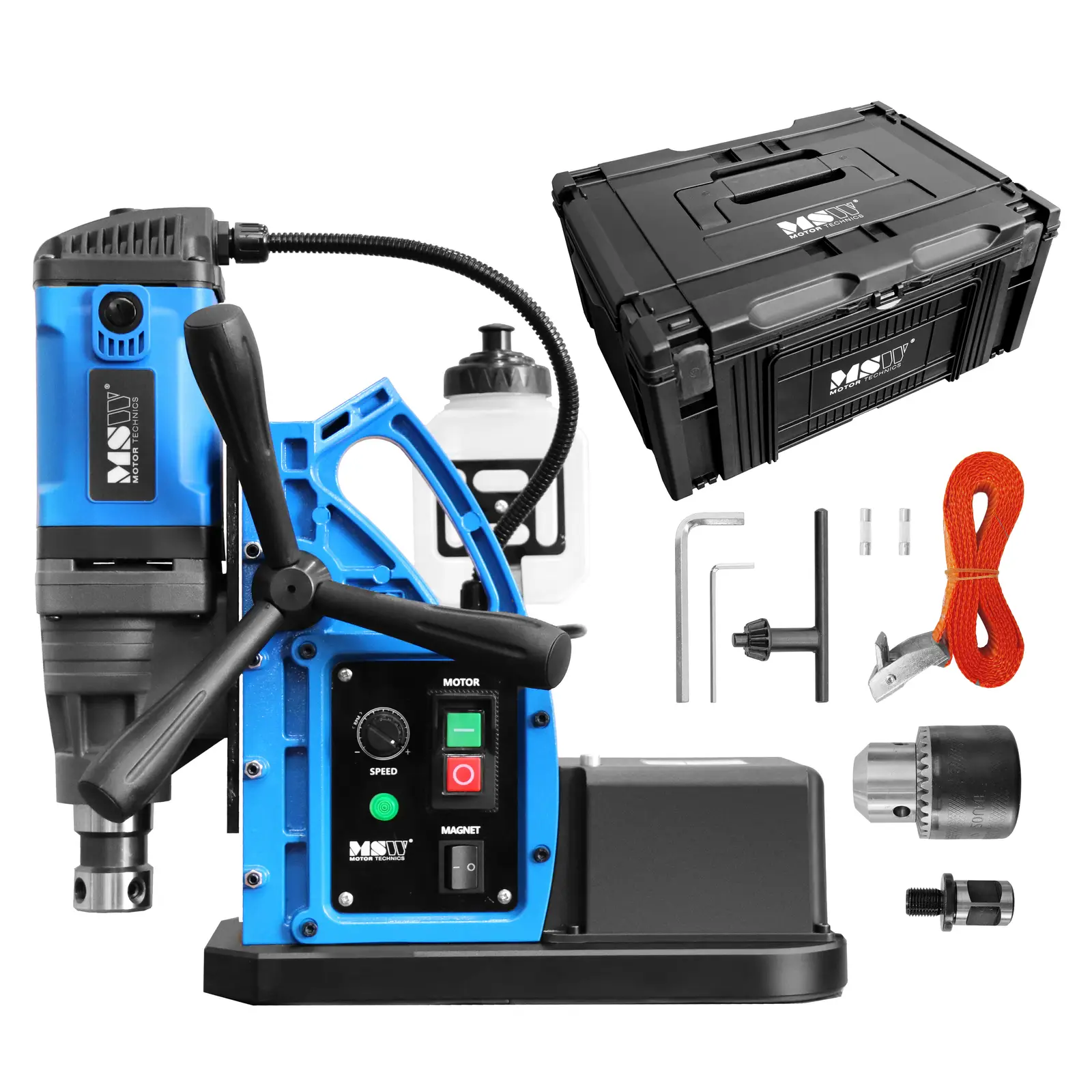
Magnetic Core Drill - with vacuum - 1550 W - 870 rpm - drilling diameter max. 35 mm
- First
- 1
- Last
Get inspired with expondo blog




Magnetic Drills: The Ultimate Tool for Precision and Efficiency
A magnetic drill is a powerful, versatile tool used for precise and efficient drilling, especially in tough, heavy-duty materials like steel, iron, and other ferrous metals. Whether you're working on-site, in a workshop, or in a factory setting, a magnetic drilling machine can make light work of even the toughest drilling tasks. For anyone involved in construction, metalworking, or maintenance, investing in a high-quality magnetic drill machine is a step towards increased productivity and accuracy.
This category features a wide selection of magnetic drills, from magnetic core drills for deep, precise holes to portable magnet drills for versatility and flexibility, this collection offers high-performance tools built to withstand the rigours of professional use. Whether you need to drill through thick steel or iron, a magnetic drill ensures your work is done with precision and ease. Keep reading to discover why magnetic drilling machines are indispensable in today’s modern industrial environments.
What is a Magnetic Drill?
A magnetic drill is a high-performance tool used primarily for drilling into ferrous materials. It features a powerful magnetic base that adheres securely to a metal surface, preventing the drill from shifting during operation. This ensures that the drill remains stable, even in the toughest drilling environments. Unlike traditional drills , which rely on manual stability, a magnetic drilling machine simplifies the drilling process, especially for tasks that involve drilling through thick metal, steel beams, or iron plates.
A magnetic drill machine is invaluable for performing vertical or overhead drilling tasks, making it a crucial tool for professionals working in tight or challenging spaces. By providing increased safety, precision, and efficiency, magnetic drills ensure you can tackle heavy-duty drilling jobs with ease.
Key Applications for Magnetic Drills
Magnetic drills are indispensable for various industrial and construction tasks that require precision and stability. Their ability to drill into ferrous materials while maintaining an accurate and firm grip makes them ideal for a range of applications across different sectors. Below, we explore the most common uses of magnetic drills and how they contribute to various industries.
Steel Construction and Fabrication
In steel construction, where precise holes are needed for bolts, rivets, or other fasteners, magnetic drills are essential. The ability to securely attach to steel beams or plates and drill with accuracy ensures that construction and fabrication projects proceed without unnecessary delays. Magnetic core drills are especially useful in these settings for creating deep, precise holes in thick materials.
Steelworkers and fabricators rely on magnetic drilling machines to create high-quality holes, allowing for the safe and reliable installation of structural elements. Whether working with structural steel, beams, or steel plates, a magnetic drill helps ensure that drilling is quick and accurate. When working alongside tools like rotary hammers for heavy-duty breaking or welding machines for final fixture placement, magnetic drills become an essential tool in the construction toolkit.
Metalworking and Manufacturing
In the metalworking industry, magnetic drills are commonly used for tasks such as drilling holes in large machinery, equipment, and metal sheets. These drills are particularly effective for creating holes in materials like cast iron, steel, and alloy metals, which can be challenging to work with using conventional drills. Whether it's for creating holes in large components or making fixtures for machinery, mag drills offer a solution that increases efficiency and reduces downtime.
For operations that require precision, such as drilling holes for bolts, screws, or other hardware, magnetic core drills can deliver reliable results. Their ability to remain stable on metal surfaces ensures that workpieces remain perfectly aligned throughout the drilling process, leading to higher-quality finished products.
Maintenance and Repair Work
For maintenance and repair tasks in industries like automotive, aerospace, and construction, mag drills are often used to drill through steel, iron, and other metal surfaces. Whether on-site or in a workshop, these drills offer the flexibility to perform critical repairs without the need for additional stabilising equipment.
A portable magnetic drill is especially useful in maintenance and repair scenarios, where drilling might need to occur in confined or difficult-to-reach spaces. The magnetic base holds the drill securely in place, even when working at height or drilling in unusual angles, making it an essential tool for maintenance personnel. These drills complement other tools like concrete drills for hard-to-reach areas in construction or industrial work.
On-Site and Field Work
Portable magnetic drills are often the tool of choice for on-site work, particularly when drilling needs to be performed in remote locations or where traditional drilling methods would be cumbersome. Whether you're working on large construction sites, offshore platforms, or in the field, the ability to bring the drill to the workpiece eliminates the need for additional setups and ensures that drilling can be done anywhere.
With magnetic drills, you can easily drill into large beams, metal structures, or equipment while ensuring a firm hold on the material. These drills are essential for professionals working in the field where precision and mobility are crucial. Whether in maintenance, repairs, or manufacturing, a magnetic drilling machine is invaluable in providing both flexibility and accuracy.
How to Use a Magnetic Drilling Machine Effectively
Using a magnetic drill involves a few straightforward steps to ensure the best results and safe operation. First, make sure that the drill is set up on a clean, flat, and ferrous metal surface. The drill's magnetic base should be securely attached, providing a firm grip. It’s important to inspect the area you're drilling to ensure it’s free from dirt, debris, or oil, as these can interfere with the magnet’s effectiveness. Once the drill is positioned correctly, choose the appropriate drill bit for the material you're working with and ensure it is firmly installed in the drill. For deep hole drilling, magnetic core drills can be used for greater precision and efficiency.
With the drill ready, activate the motor, ensuring the magnetic base holds the drill securely in place. As you begin drilling, apply light pressure to avoid excessive strain on the drill. The magnet will keep the drill stable and prevent it from slipping. Allow the drill to work through the material slowly to ensure accurate and clean holes. For deeper holes, it’s essential to maintain control and take your time to prevent overheating or bit wear. After the drilling process, carefully retract the drill and remove any metal shavings or debris from both the drill and the workpiece.
Choosing the Right Magnetic Drill Machine
When selecting a magnetic drill, consider the following factors:
Motor Power and Speed Settings
Choose a magnetic drill machine with the right motor power for the task. High-power motors are ideal for heavy-duty drilling, while lower power motors are sufficient for lighter applications.
Magnetic Base Strength
Ensure that the magnetic base is strong enough to securely hold the drill in place, especially when drilling through thick materials or working at height.
Drill Bit Compatibility
Make sure that the drill can accommodate the size and type of drill bit required for your work. Magnetic core drills are ideal for larger holes, while standard drills are better for smaller applications.
Portability and Weight
For portable use, a lightweight magnetic drill is preferable, especially if you’ll be carrying it to different job sites. However, if you’re working in a stationary environment with heavy-duty materials, you may opt for a larger, heavier model that offers more power and stability.
FAQs
What is the difference between a magnetic drill and a regular drill?
A magnetic drill uses a magnetic base to adhere to metal surfaces, providing stability and precision when drilling. This is particularly useful for working with large or heavy materials. Regular drills do not have this magnetic feature and may require additional stabilisation methods.
Can I use a magnetic drill on non-ferrous materials?
Magnetic drills are designed for use on ferrous metals (materials that attract magnets), such as steel and iron. They are not effective on non-ferrous metals like aluminium or copper.
Can a magnetic drill drill through concrete or masonry?
No, magnetic drills are not designed for use on concrete or masonry, as they are specifically intended for drilling into ferrous metals like steel and iron. For drilling into concrete or masonry, you would need a concrete drill or rotary hammer. These tools are specifically built to handle the hardness of concrete and other similar materials.
Can I drill into thin metal sheets with a magnet drill?
Yes, you can drill into thin metal sheets with a magnet drill, but you need to choose the right drill bit and ensure that the material is securely held in place. For thin metals, it’s advisable to use a drill with lower power settings to avoid warping or damage to the material. Always check the specifications for both the drill and the material to ensure compatibility.