


Roller Stands
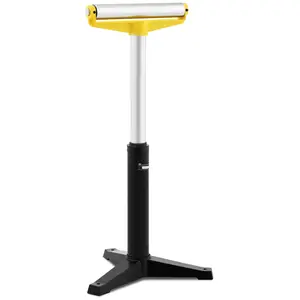

Roller Stand - 60 to 97 cm - 800 kg
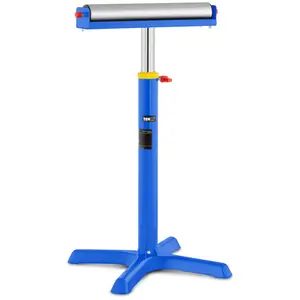
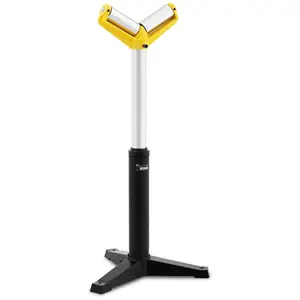
Roller Stand - 63.5 to 103.5 cm - 800 kg - 2 rollers
- First
- 1
- Last
Get inspired with expondo blog



Roller stands for stable, smooth material support
Roller stands are the practical workshop essential for anyone who needs an extra pair of steady “hands” when cutting, drilling, sanding or assembling long and awkward workpieces. By supporting timber lengths, metal sections, pipes or boards at the correct height, they help you keep material level as it feeds through machines, reduce snagging and minimise the risk of tipping, binding or surface damage.
In day-to-day use, a well-chosen roller stand makes jobs noticeably easier: guiding stock into a mitre saw, supporting a long plank as it leaves a planer, or keeping box section aligned during fabrication. Whether you’re working in a compact garage or a busy workshop bay, roller stands bring consistency to repeated cuts and give you more control over accuracy and finish.
Our range focuses on robust, workshop-ready roller stands designed for reliable support where it matters most—at the infeed and outfeed points. They’re a straightforward way to improve workflow without reconfiguring your whole space, especially when you need flexible support that can be repositioned in seconds.
Adjustable roller stands: height control, load capacity and precision
Adjustable roller stands are the go-to choice when you need a support point that can match different machine tables and varying workpiece thicknesses. A generous height range lets you set the roller perfectly level with your saw bench or worktable, helping material travel smoothly without rising or dipping. Fine adjustment and secure locking mechanisms are key here, as they keep your set height stable even when handling heavier stock.
When selecting a roller stand, consider the type of roller and what you work with most often. Smooth, free-running rollers are ideal for feeding boards and profiles with minimal resistance, while specialised heads can improve control for particular materials. If you regularly handle round stock such as pipes or tube, a V-shaped roller head helps keep the work centred and reduces the chance of rolling off. For wider panels or longer pieces, a broader roller contact area can provide steadier support and less edge marking.
Stability matters just as much as height. Look for a solid base design and secure bracing so the stand stays planted under load. For frequent repositioning, portability is invaluable—folding designs and compact footprints make it easier to store stands between tasks and set them up only when needed. Where your workflow involves lifting and positioning heavier items, it can be helpful to coordinate your setup with complementary workshop solutions such as lifting equipment to keep handling safe and controlled from start to finish.
To get the best results, use roller stands as part of a balanced support line: place one stand near the machine for immediate support and add another further out for longer pieces. This creates a stable “runway” that helps keep the work straight, reduces strain on the operator, and promotes cleaner, more accurate cuts and joins.
Heavy-duty roller stands and practical workshop setups with roller stands
For demanding applications, heavy-duty roller stands provide the strength and rigidity needed for substantial loads and frequent use. They’re suited to fabrication, carpentry and maintenance environments where materials may be heavier, longer or more difficult to control. A dependable locking system, durable construction and smooth roller movement are especially important in these settings, helping you maintain a consistent feed rate without sudden stops or jolts.
Roller stands also play a valuable role in safer workshop organisation. By supporting the work at the right points, they help prevent unexpected leverage that can pull material off a bench or twist it during cutting. They also reduce the need to “catch” long pieces by hand, which lowers fatigue and helps you keep focus on alignment and tool control. For tasks that involve securing or moving suspended components nearby, workshop teams may also use chain slings as part of their wider handling approach, while keeping roller stands dedicated to controlled, low-friction support at working height.
If you’re setting up a multipurpose bay, roller stands fit neatly into a flexible layout: bring them out for cutting and assembly, fold them away for floor space, then reposition them for maintenance tasks. They’re also handy when working around vehicles or equipment in the same area, where tidy cable and tool management matters. For example, if your workshop combines fabrication with occasional vehicle upkeep, you might keep charging solutions such as vehicle battery chargers in a separate zone, while roller stands remain your quick, dependable supports for long stock and panel handling.
Whether you need a simple adjustable support or a more robust, heavy-duty solution, roller stands are an efficient upgrade that improves accuracy, comfort and workflow. Choose the style that matches your typical material, prioritise stability and smooth rolling action, and you’ll have a versatile support system ready for everyday cutting, shaping and assembly work.