


Waste Grinders
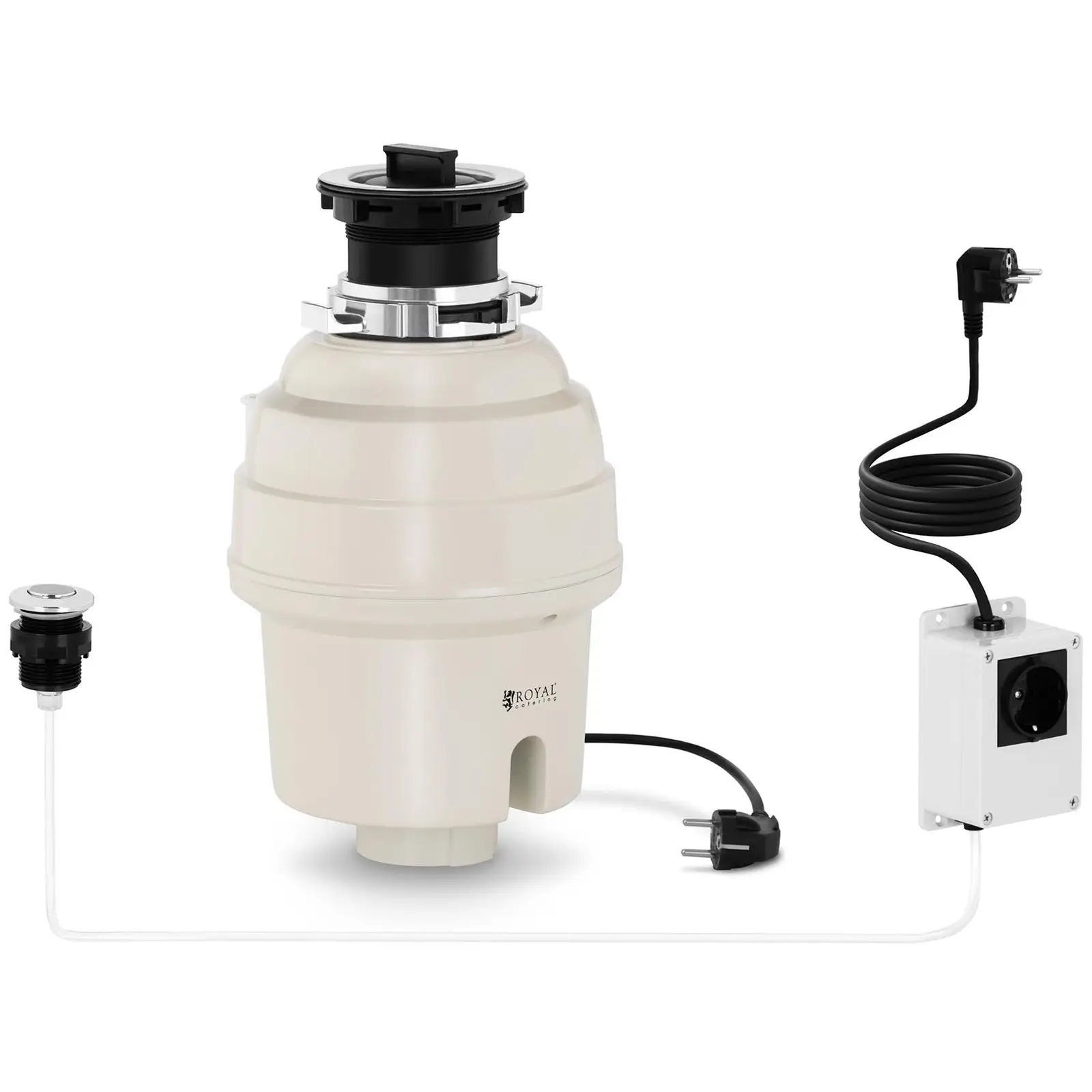

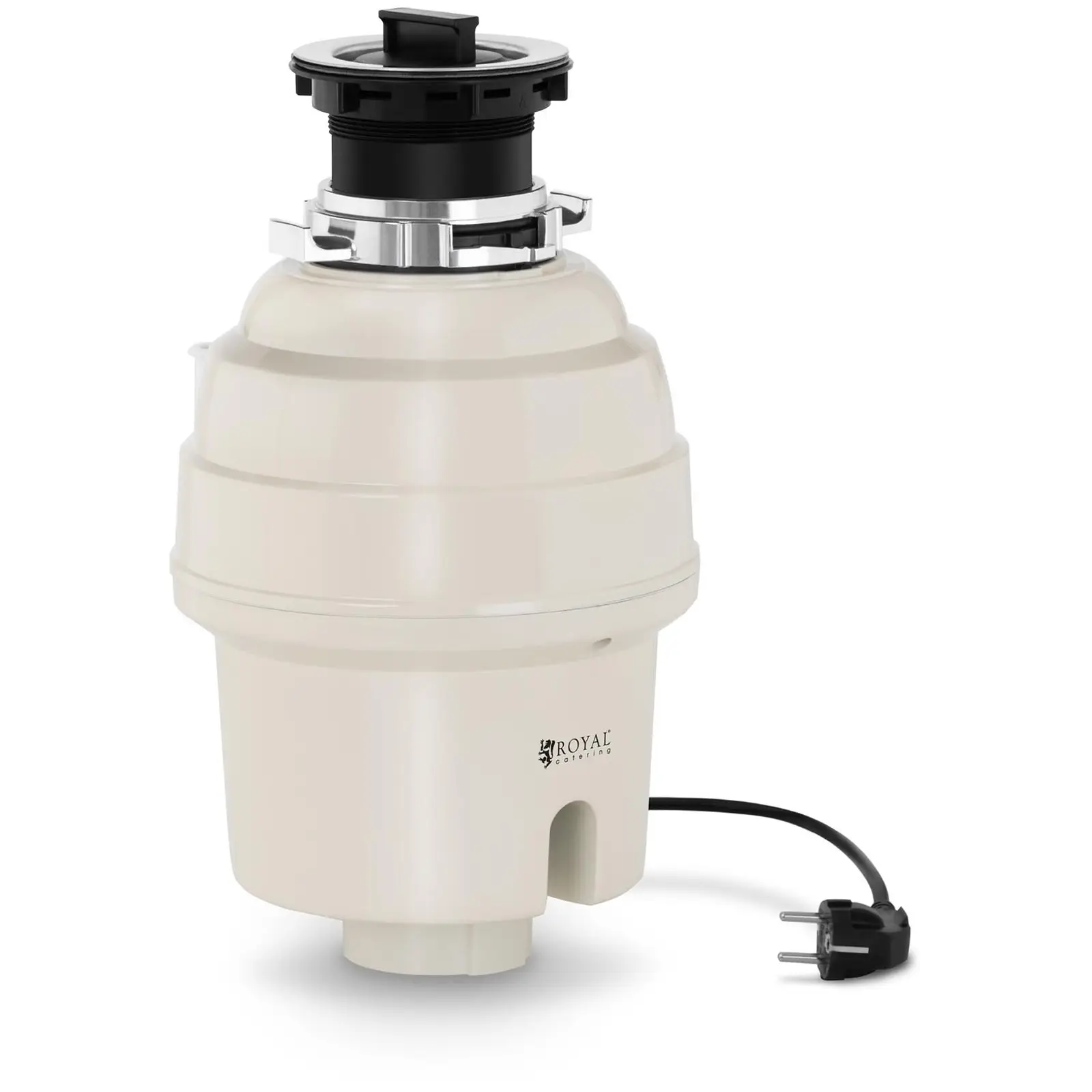

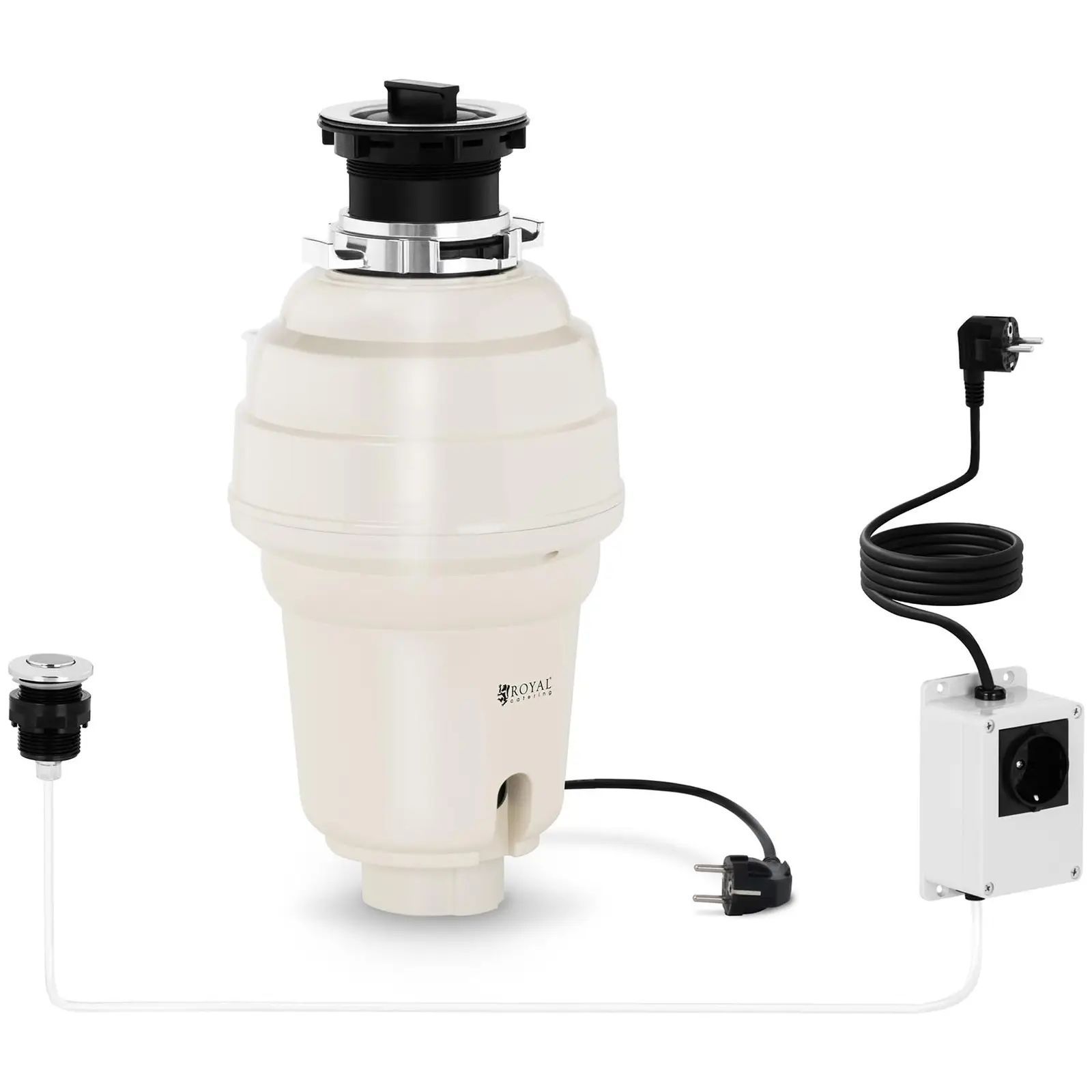
- First
- 1
- Last
Get inspired with expondo blog




Waste grinders for cleaner, faster food preparation
Waste grinders are a practical, time-saving way to keep food prep areas tidy while supporting a smoother workflow around the sink. By grinding food scraps into fine particles that can be flushed away with water, a waste disposal unit helps reduce the volume of refuse heading to bins, cutting down on lingering odours and the risk of attracting pests. In busy kitchens, that means less handling of messy waste and more time focused on service.
Our category centres on professional waste disposal units designed for frequent use. They are built to sit neatly under the sink, connecting to standard drainwork so that peelings, small offcuts, and plate scrapings can be dealt with immediately. Whether you are running a restaurant pass, a café prep station, or a staff canteen wash-up area, the right grinder can make the end-of-task clear-down faster and far more pleasant.
Because waste grinders operate at the point where food waste is produced, they also help keep floors and surrounding surfaces cleaner. Fewer trips to the bin means fewer drips, fewer split liners, and fewer interruptions during peak periods. If your operation already relies on efficient dishwashing equipment, a grinder complements that rhythm by keeping the sink area free-flowing and ready for the next load.
From compact units that suit lighter daily volumes to more robust models intended for demanding service, waste grinders can be matched to your typical waste profile. The aim is simple: consistent performance, easy daily operation, and a noticeable uplift in hygiene and convenience around the sink.
Waste grinders and waste disposal unit features that make a difference
Not all waste grinders are built the same, so it pays to look for features that support reliability in a commercial environment. A durable grinding chamber and corrosion-resistant components help the unit stand up to repeated exposure to water and food acids. Many professional models also focus on smooth internal surfaces and effective sealing to minimise residue build-up and make routine cleaning straightforward.
Motor strength and torque are key considerations. A capable waste disposal unit should maintain speed under load, handling everyday scraps without stalling. Overload protection is another valuable safeguard, helping to prevent damage if the unit is fed too quickly or encounters an unexpected hard object. Depending on the model, you may also find features aimed at reducing downtime, such as reset functions that allow the unit to be brought back into service quickly after an interruption.
Noise control matters in open kitchens and front-of-house prep areas. Many waste grinders are designed with vibration-reducing mounts and insulation elements to keep operating sound more comfortable for staff and guests. Thoughtful inlet and splash-guard design also improves usability at the sink, helping guide scraps into the chamber while reducing splashback during operation.
Compatibility is equally important. Waste grinders are typically installed under a sink and integrated into existing drainage, so paying attention to connection sizes, available cabinet space, and the intended working pattern makes selection easier. When planned as part of a wider workspace layout with commercial kitchen equipment, a properly matched grinder becomes an unobtrusive but highly effective support tool that keeps the back-of-house moving.
Choosing waste grinders for your workflow: capacity, installation, and daily use
Choosing the best waste grinders starts with an honest look at your day-to-day routine. Consider how much food waste you generate at peak times, where it is produced, and whether it is mostly soft scraps or includes more challenging items. Higher-volume operations often benefit from stronger units that can accept a steadier feed, while smaller sites may prefer compact, efficient models that fit neatly beneath limited counter space.
Installation planning should focus on safe access, secure mounting, and a clean connection to the drain. A well-fitted waste disposal unit should sit firmly without strain on pipework, maintaining a reliable seal and smooth water flow. Many kitchens also prefer a simple, ergonomic activation method so staff can operate the unit without interrupting their routine. If you are configuring a new station or refreshing an older one, the right fittings and add-ons from commercial kitchen accessories can help you achieve a tidy, professional finish.
For best results, daily use should follow good sink practice: run water as recommended for the unit, feed waste steadily rather than in large clumps, and avoid forcing unsuitable items. This not only supports consistent grinding performance but also helps keep internal parts cleaner. A brief flush after use can reduce residue and keep odours at bay, which is especially valuable in warm kitchens or high-turnover wash-up areas.
With the right waste grinder in place, waste handling becomes quicker, cleaner, and easier to manage from shift to shift. A dependable waste disposal unit is a small change that can make a big operational difference—supporting hygiene, reducing clutter around bins, and helping your team maintain a professional standard at the sink throughout the day.