


Food Processors
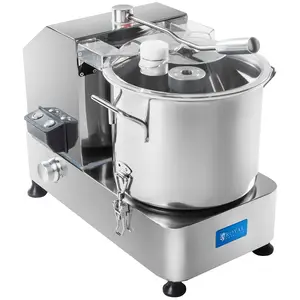
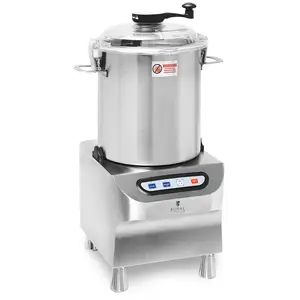

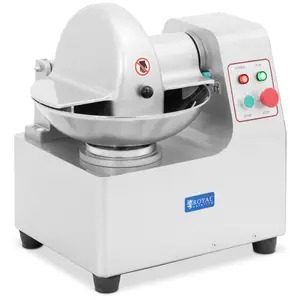
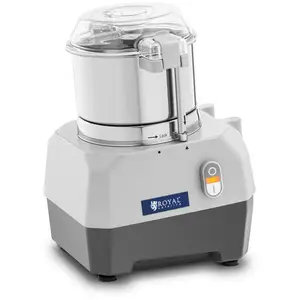
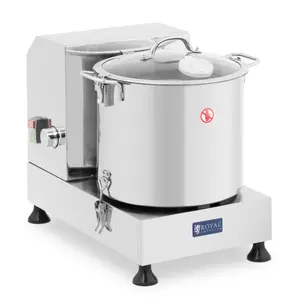
Bowl Cutter - 1500/2200 rpm - Royal Catering - 18 L
- First
- 1
- Last
Get inspired with expondo blog



Food processors for fast, consistent prep in busy kitchens
Food processors are the dependable workhorses of professional prep, designed to reduce hours of repetitive chopping, slicing, grating, mixing, and puréeing into a few simple steps. Whether you are running a restaurant pass, catering unit, café kitchen, or a production line for deli items, the right machine helps you deliver consistent portion sizes and repeatable textures across every batch. That consistency does more than save time: it supports menu quality, reduces waste from uneven cuts, and helps staff work confidently during peak service.
Within this category you will find robust food processors and powerful bowl cutters—two closely related solutions that cover most high-volume prep needs. Food processors are ideal for everyday ingredient preparation, from crisp salad vegetables and grated cheese to breadcrumbs, pastry, dips, and sauces. Bowl cutters focus on intensive, fine processing, making them an excellent choice for creating uniform mince, emulsified mixtures, and smooth fillings where texture control is essential. Together, these machines form a reliable foundation for efficient mise en place.
Choosing a food processor is often about matching capacity and performance to your workflow. Consider how much you prep per shift, how frequently the machine will run, and which results matter most—thin slicing for garnishes, consistent grating for toppings, or a smooth blend for spreads. A well-chosen unit streamlines service by letting you prep ahead, portion accurately, and keep your kitchen organised, without compromising on the freshness and bite that customers notice.
Commercial food processors and bowl cutters: power, capacity, and control
Commercial kitchens demand more than basic processing; they need motors built for repeated use, stable housings that stay put on the counter, and bowls designed for quick loading and easy handling. A strong motor and efficient blade design help you tackle tough ingredients—dense root vegetables, firm cheese, nuts, or chilled mixtures—without slowing down. Just as important is control: clear settings and intuitive operation help you fine-tune outcomes, whether you want a coarse chop for salsa, a uniform slice for gratins, or a smooth mix for pâté-style preparations.
Bowl cutters are particularly valued where texture uniformity is non-negotiable. Their cutting action supports fine chopping and emulsifying for mixtures used in fillings, forcemeats, or smooth spreads, while maintaining a repeatable result from batch to batch. In a professional setting, this repeatability protects your signature recipes and simplifies staff training—new team members can achieve the same finish with fewer steps and less guesswork.
Food processors, on the other hand, shine in versatile prep work that keeps daily service moving. From slicing cucumbers and onions for salads to grating carrots for slaws and shredding ingredients for toppings, they help you prepare large quantities quickly and neatly. If your menu includes soups, sauces, or dressings, a processor can also support puréeing and blending tasks. For kitchens that regularly need drinkable or ultra-smooth blends, it can be useful to complement prep equipment with dedicated commercial food blenders to cover everything from velvety soups to high-volume sauce work, while keeping each machine focused on what it does best.
Food processors for prep versatility: discs, blades, and smart add-ons
The real advantage of food processors lies in how easily they adapt to different jobs. Swapping blades or discs allows one machine to support a wide range of cuts and textures, so you can move from grating to slicing to mixing without restructuring your prep area. This flexibility is especially valuable for changing menus and seasonal specials, where speed matters but consistency remains essential. With the right setup, you can keep prep predictable even when the order list is not.
To get the best results, think about your most common tasks and the ingredients you handle every day. Fine slicing supports elegant presentation for salads and plated dishes; grating helps with toppings and fillings; chopping speeds up base preparation for sauces, stews, and garnishes. If you frequently prepare dips, spreads, or herb blends, a sharp blade and a steady bowl can make short work of delicate ingredients without bruising them. For quick countertop tasks outside the main prep line, you may also appreciate dedicated blenders for smaller batches, allowing your food processor to stay available for high-volume chopping and slicing.
Finally, consider the practical details that make daily use smoother: straightforward cleaning, easy access to the bowl, and a layout that suits your worktop space. Keeping spares and essentials to hand—such as additional bowls, utensils, and maintenance-friendly extras—helps you stay efficient during service and reduces downtime between batches. You can round out your setup with commercial kitchen accessories to support a tidy, well-organised prep station where your processor or bowl cutter can perform at its best. With the right combination of equipment, your kitchen can prep faster, work cleaner, and deliver the reliable textures and portions that keep customers coming back.